

 Apple Podcasts
 Spotify
 RSS Feed
 How Authenticity Makes Us Stronger: Olympic Champion Mel Stewart, EP 107
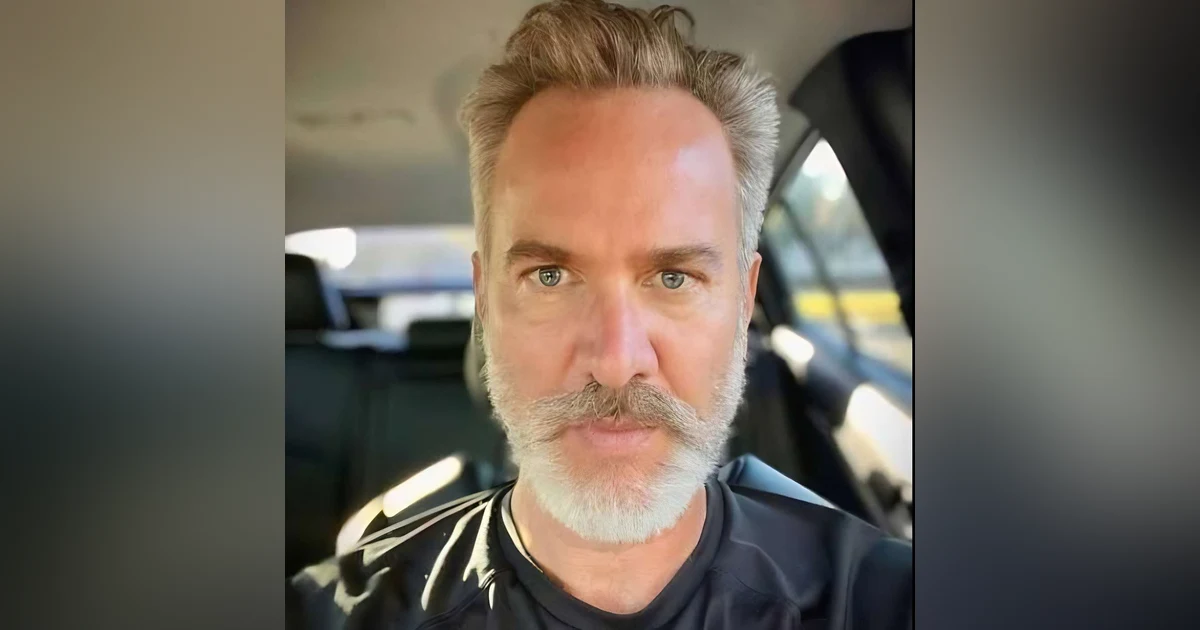
What does it mean to step into your authenticity, despite the risks? Olympic gold medalist and SwimSwam co-founder Mel Stewart returns to the show to talk with Kelly and Maria about his inspiration for swimming -- as a child and today -- and how the trauma of his early life and competitive drive have fed into his motivation, self-care and successes.
Sign up for your free consultation on health, leadership and life coaching with Kelly or Maria at ChampionsMojo.com/cm-coaching.
Catch up on EVERY episode at ChampionsMojo.com.
MORE ABOUT MEL STEWART
“Gold medal” Mel Stewart is a 1992 Olympic gold medalist in the 200-meter butterfly and co-founder of SwimSwam. Mel has also worked as an Olympic analyst for ABC, NBC, ESPN, and TBS. Since 2008, Mel has worked with USA Swimming as an ambassador.
In addition to being an Olympic gold medalist, Mel was a World, American and NCAA record holder. He was a pioneer in becoming a professional swimmer back in 1991, when he turned pro after his junior year of college at the University of Tennessee.
Episode Topics and Mentions
SwimSwam
Mel Stewart’s first interview on Champion’s Mojo
World War I
World War II
Patience
Dryland training
2021 Tokyo Olympics
Competitive drive
Therapy
Yoga
Meditation
Alone time
EMDR (type of therapy)
Matt Biondi
Aaron Piersol
Rowdy Gaines
Heritage USA
Jim Bakker
Tammy Faye Bakker
Takeaways
Maria
- It’s important to confront the trauma before we can experience calm and peace.
- With patience, hard work can outlast the competition, even when there is rest built in.
Kelly
- Find time to just get quiet and tune into your thoughts.
- Tapping your authenticity makes you powerful and people cannot ignore what you are doing.
Quote of the Week
“The beauty of swimming is that it does teach you patience; the beauty of swimming is that you can have what you want, but you’re going to have to take these teeny, tiny baby steps to get there.” -- Mel Stewart
Subscribe to the Champion's Mojo podcast on Apple Podcasts, Spotify and Google Play.
Have something you want to share with us? Email it to hello@championsmojo.com.
Email us at HELLO@ChampionsMojo.com. Opinions discussed are not medical advice, please seek a medical professional for your own health concerns.
You can learn more about the Host and Founder of Champions Mojo at www.KellyPalace.com
Champions Mojo is part of the CG Sports Network.
SPEAKER_03When you hit that moment of authenticity, when your ego is completely gone, and you're just raw, and that's in and what you say is what you say, there's something happens. It's like I know what happens. People cannot look away. They're captivated. They're just they they they stare at you and it's like, what's gonna happen next?
SPEAKER_01Welcome to the award-winning Champions Mojo, hosted by two world record-holding athletes and health, life, and leadership coaches. Be inspired as you listen to Conversations with Champions. And now, your hosts, Kelly Palace and Maria Parker.
SPEAKER_04This episode of Champions Mojo is brought to you by RISE. Maria, did you know that athletes with mentors are more likely to attend college, have increased social and emotional development, and improved self-esteem? That's powerful, Kelly. I do know that teenagers with a mentor seek greater long-term success. Exactly. That's why we are excited to partner with RISE. RISE connects teenage athletes with Olympic and elite mentors. And it's simple to get started. When an athlete goes to the easy-to-use RISE website, they can select a mentor and the subscription that works best for their schedule. They even get a free session with an Olympian or a pro-athlete mentor to start so they can see if it's the right fit.
SPEAKER_05Athletes can schedule their weekly one-on-one sessions, chat anytime, and get started on one of the most important relationships an athlete can have.
SPEAKER_04RISE is offering a free introductory session for any athlete who signs up. Visit Rise-athletes.com and start your mentorship journey today. Hello, friends. Welcome to the Champions Mojo podcast. And as usual, I am co-hosting with Maria Parker. Hey Maria.
SPEAKER_05Hi, Kelly. It's great to be here. I'm excited about today.
SPEAKER_04Yes, it's great to see you. And we want to give our guest the great introduction that he deserves in a moment. But first, let's welcome him to the show, Mel Stewart, the one and only. Welcome to Champions Mojo. Welcome to the M.
SPEAKER_03Thanks for thanks for having me. This is this I'm I just I'm I'm I'm always going to be your recurring guest. I'm calling it right here. I expect to come back at least every other guest you have. You can have a Katie Ledecki, then Mel Stewart.
SPEAKER_04I love it. That sounds good to me. Yeah, that Mel, that is that is absolutely uh such a beautiful vision and one that, you know, I hope you're you're back sooner than a hundred shows because that's just Maria's gonna hit on that. We're so excited uh to really welcome you to the show and to be talking with a 1992 Olympic gold medalist in the 200-meter butterfly, the co-founder of Swim Swim. Mel has worked as an Olympic analyst for ABC, NBC, ESPN, TBS. Since 2008, Mel has worked with USA Swimming as an ambassador. He's got great stories with that. Um, Mel has obviously figured out how to be a champion and a successful businessman, which really is interesting. Um, Maria, can you give our listeners just a little more background on Mel?
SPEAKER_05Sure, Kelly. Besides being an Olympic gold medalist, Mel was a world American and NCAA record holder and has been an innovator from way back. He was a pioneer in becoming a professional swimmer back in 1991 when he turned pro after his junior year of college at the University of Tennessee. And Mel's just getting better with age. He was a guest on Champions Mojo over 100 episodes ago, and a lot's happened since then. So let's get started. Welcome, welcome, welcome.
SPEAKER_04Yes, Mel, great to have you here. And and so as we alluded to, a lot has happened. And we want to start out with just the first, like right off the bat. If you could just give us one kind of paragraph of how you would sum up the last year of your life based on the pandemic. I think a paragraph too much. Do it in a sentence.
SPEAKER_06Okay.
SPEAKER_03Paragraph, um like poetry. Uh the past year has been about connection and intimacy and and and learning a deeper level of patience.
SPEAKER_04Ooh. Yeah, that was good. Good advice, Maria. Get it in a sentence and Mel did it.
unknownOf course.
SPEAKER_04Yeah. So so now that uh you've done the one sentence, uh, can you just expand on that a little bit and you know, tell us what what you've been up to, what you've learned from that, and what it what do those deep words mean?
SPEAKER_03I've always wondered what life would be like when the pressure cooker was was on. And I've always wondered what would happen. I always I always felt as a child, it's like that that wars were behind us, that um the the tough part of human evolution was was is it was in our rear view mirror, and that we were figuring it out, and life was getting better. I mean, we were getting cell phones, got to a point where you could have every single song you could ever want in your entire life on one device. Um connection, then you know, we move into this this this era of time where everyone can be connected anywhere on the globe. So it kind of felt like wow, we're we're we're we're getting soft. Life's getting too easy. And I always felt like there wouldn't there wouldn't be a high pressure moment. And God, you know, I'm I'm sorry I thought that way. Because I I I my personal opinion is that this is um this is definitely a World War II moment. One, two. Uh this is definitely a um this is worse than a than a stock market crash. Uh I think I think we've I think we're I think we're we're we're we're experiencing a moment in time that is um that that's made people a little crazy. And I wondered how I would how I would manage that. And and the way I've managed it is I've I've been I've been married for 22 years and I have a great daughter. And um so we managed to keep our business going and we feel we're we're proud of that, but we but we've gotten a lot closer. I've gotten closer to my wife during this time, and it's so I've I feel a lot of comfort and and uh feels like a reset. But I anyway, I'm I'm meandering, but it's it's been one of those years where you where we go deep inside. I think if you used your time correctly, you go deep inside.
SPEAKER_04Yeah, yeah.
SPEAKER_05That's that I it's interesting, you know, when you were talking about that, it reminded me of my sons who felt like they missed out on the great glory days of you know being a soldier, you know, whatever, you know, they've read historical accounts. And and and what you've just said is that, you know, this we're in uh you know, a great global conflict. Um, and that that's I I I I love that. Um, and and then, you know, you in the your first answer, you talked about connection, which you just elaborate on with your family, but then you also talked about patience. Would you like to could you elaborate on that and and maybe extend that out from you to the rest of the swimming world and the rest of the world?
SPEAKER_03You know, the beauty of swimming is that it does teach you patience. The beauty of swimming is that you can have what you want, but you're gonna have to take these teeny, tiny baby steps to get there. You're gonna have to be committed over a year. You may not swim 365 days a year, but even in those days where you're doing nothing, you're benefiting because you're you're you're recovering from work you have done and you're trying to quieten your mind and focus your mind. It's uh but this is a whole new level. Um, I I'm I'm I'm thankful that I'm not a currently competing athlete. Uh I don't know how I would have fared. It's uh so I'm I expected it to be a bloodbath after we came out of the shutdown. I expected uh last summer to see swimmers, you know, they they eventually got into the pool. And I I I expected, I cautioned our team at Swim Swam saying, look, you know, there I'm expecting some really slow swims. And in our business, we critique those swims and we break down those splits. And it's very cut and dry and black and white, and and that I just wanted people to come to the page with some compassion. And I was wrong. What we saw was that the athletes, the the doors opened up, and the athletes somehow had spent less time in the water, more time doing dryland training, more time doing other things, and they actually swam very fast. So it's I don't think that I feel like I mean, I always think I have a huge ego, and I feel like I'm the smartest guy in the room. And then in the and then, especially in swimming, and then I always rem I'm always reminded I'm not the smartest guy in the room, and I don't know everything, and I'm always learning something new, and I'm always being surprised. And uh it's part of the reason why I like being in this space, the Olympic space, the swim space, which I think is very much so connected to to everybody, just as it because we're just a piece of the culture.
SPEAKER_04So, Mel, you you loved your gold medal Mel videos and predictions, and then you asked the swim swim community, you know, what do you it doesn't matter what I think. What do you think? Um, so I'm I'm not asking you to make a prediction, but can you tell us like overall what have been the good and the bad of this pandemic for the swimming community? And what do you see ahead in the Olympic year here? Is it are are trials going to happen? Are the Olympics gonna happen? If they do happen, just kind of general, if you can address the kind of the good and the bad and and what you see.
SPEAKER_03I think what I think what we've learned is that um, you know, and you you can talk about this. You are you were you were a distant swimmer. It's uh we we were we live through an era, uh, because we're peers, same era. We live through a time where people worked so very hard. And as we've evolved out of the 70s and the 80s and into present day, um athletes are very much so uh they're it's they're they're not training to swim in second gear. They're they're they're it's like they're rehearsing for a performance. So they're laying down the neuropathways to swim fast, to to have perfect mind-body connection. And um we and and in our time, we just we just we just we were grinders, we were grinders. And uh so we've seen this evolution to present day because 2021 is the future. And the pandemic has told us also that for as much as we've evolved outside of the pool on the on the dry side in terms of just uh being physically more powerful, uh we're learning, we're learning that that we can we can make a lot more gains there. Uh athletes came out and out of out of the pandemic from doing a lot of intense dry land training, and they had benefits that they they were surprised to have. One of it being specific, or if you want to get real nerdy with it, is that they were able to hold their body position in the water. And that's always a concern because you if you've been out of the pool, you come back to the pool, you don't you don't have that connection, and it's body position and the this the intense dry-line training. Um they didn't lose anything that gained. Um, so I think that's one half the of the of an answer, but I don't think that was the other half the answer for because I think you put a little uh extra spin on it. What was the what was the other part of it?
SPEAKER_04So um, so the the good of that was they, you know, they've strengthened their core, they're streamlining, they're they're higher in the water. What do you think the worst thing that this has done to swimming? And how and how do we kind of resurrect that?
SPEAKER_03I think that I think that the the loser in this is it's it it comes back to capitalism, it comes back to um it comes back to something that we've held sacred in the sport, which is college swimming. College swimming, you know, it's uh on swim swam, we do this thing where we we we started reporting commits. So kids would they commit to college, and uh we I one year I think we did three or four hundred, and then the next year our editor in chief did over a thousand. And he goes, I think there's 1500 or more out there, we need to do them all. And I'm like, I'm tired of seeing them. And uh, and he and he's like, you know, Mel, that's a little bit egotistical. And uh, and I'm like, okay, I I agree that I'm I'm guilty. And uh he goes, Look, everyone who swims, you know, typically they're swimming so that they can reach a moment where they can swim in college and they can have that experience, and that's their gold medal. Got it. I understood it, I got it. So we we we we dedicated ourselves to doing every single commit post that is provided. We reach out, we try to get them. And so college swimming is is very unique. It's almost like a religion in our sport, it's this sacred cow, and it is, it matters greatly. Um, so capitalism, uh, where that figures in is that athletic directors, they're looking at these non-revenue sports and they're seeing a window, they're they're exploiting the pandemic to cut these non-traditional sports. And we, you know, another layer, an iteration of that, is that you know, the beauty of swimming, the big selling point of swimming is that if you're a woman, you can achieve exactly what a man can achieve. And we know that if women can compete in college and they participate in sports, they end up being leaders and they're they're hard-driving, just out there making it happen in the world. And uh that frightens me because it's uh I think this has been uh it's been a cultural buoy that we've taken for granted. And I do think colleges are taking advantage of it. And uh that worries me. So that's a loss. Long, that's a long, it's a long-winded explanation of a loss during the pandemic.
SPEAKER_05Is that quantifiable? Can you say, oh, yeah, the number of uh commit uh you know things we've reported on is 30% down or it's it's small.
SPEAKER_03The reality of it is it's not nearly as big as we think it is. And and and part of the reason is that when we so we've seen it happen slowly. It's already we've already been in the process of this on the years running up to the pandemic. And then when the pandemic happened, it it's as if we had a dozen happen all at once. And uh, but they've they've been that's been stopped, it's been stymied uh uh via lawsuits over Title IX saying, you know, you can't remove the women's team. And that's oftentimes will give some breathing room to uh the women's team will be in reinstated, and then they'll uh the alumni will have raised money to also support the men's team. So the reality of it is it's frightening and it's scary, it's scary because we're looking down the road going, wow, this is this is a uh this is um this is a trajectory that we know that colleges want to take and we don't want to lose it. So swimming as a whole has actually fought this very well. It's like beware of of messing with um with swimmers. They're typically great, they're great students, they have great careers, and the alumni can be fierce. So the reality is, yes, it's happened more, but it's it's it's not nearly as much as people think it is.
SPEAKER_04And the last part of that question is uh what are your predictions for NCAAs and Olympic trials and the Olympics? I mean, are these, you know, what are your thoughts on that?
SPEAKER_03I I'm not I'm not 100% on NC2As. I think they're going to happen. Uh what let's call it. I'm I'm not if I have to if so we're all entering the house of the swimming casino. And uh here we go, Mel. You're betting on NC2As, you're betting on the Olympics. Um I would and I I would I would bet on the NC2As happening, and I would bet that they will happen. And uh I'm I'm about 87 there. Olympic Games. I am if you had asked me back in December, November, December, I would have said 95%. If you'd asked me a few weeks ago, I would have said um, you know, January-ish, as all this negative news came out. I it it and and news of the variants, the COVID variants, I I would have dropped it down to about 80%. But based on um what based on our contacts at the International Olympic Committee, US OPC, FENA, USA swimming, I'm I'm more 98% on the Olympics happening. There's news that's going to be coming out uh ahead of this podcast going live, um, or or shortly after this podcast goes live, that's gonna make people go, oh, 99% sure this is happening. It's it's gonna, it looks great. The outlier is is is is the concern is the is the is the Japanese culture, it's Tokyo, it's the news that they don't want this. And um a lot of that negative news has come from people outside of Japan. But it's uh I can I can give some more detail, but uh I'm I'm I'm more bullish on the Olympic Games happening for some a few key reasons. There's gonna be a bubble.
SPEAKER_04That that's that's awesome. Yeah, that'll probably already be out when this comes out. But yeah, so so Mel, um you know, in preparation for this interview, so we could get to a little uh even deeper layer of Mel. Again, your episode number six of us was so rich and so deep. There, like you answered so many questions about Mel, but we we actually talked to some of your friends and some people in the swimming community to request, hey, if you if you had an hour with Mel Stewart, what would you want to know? And I have we've we've got a question here. So um, one of them is you seem to appear to us, to your friends, to people in the swimming community, that you have never lost that edge, that competitive fire, that I want to wrestle, you know, Ryan Murphy to the ground kind of thing. And so what how have you not lost that? And or I guess to phrase it positively, how have you kept it? And uh tell us about it.
SPEAKER_03Okay. Um I'm gonna preface this by saying when I look around at Olympic peers and I see Olympic peers who have gold medals, multiple gold medals, five, seven, ten, twelve, twenty-eight. Some of those athletes, I look at them like uh Aaron Pearsall or Matt Beyondi, and and a little part of me hates them. And not for the reason that you think. It's not because they have more medals than than I do, it's because they seem like they they look like they're artists in the water. They look like it's effortless. They look like they are that they are doing something that just flows and comes with ease. And and that wasn't my experience. My experience came from deep, deep, deep insecurity and deep, deep, deep. Uh I was trying to fight back against the world and fight back against this image that I thought the world had of me. And and I find that for most Olympians, something something went wrong in their life. Could be dysfunction in the family, could be that they were bullied, it could be uh, it could be anything. And you know, for me, I'm checking every single box. But uh so the I've I've been hyper competitive since I was a child. Um I have been in therapy since my since 27, um, almost weekly, uh, ever since, because it it it's it, I can't turn it off. And um so it yes, it's positive, but it can also be problematic. It doesn't work in the real world all the time. So it's uh for me the the the challenge has has been how how do we make this constructive and how do we keep this from being something that is damaging or dysfunctional? Probably didn't think I was gonna go there, but that's where I'm going.
SPEAKER_04No, I I think it's great. It's a good answer.
SPEAKER_05Yes, I would just you know ask. So your sense is that you your the resistance that you were fighting is what what gave you your wins, that you had to work hard against this resistance. And that some people don't have that, they're just natural and it's easy for them. And those are the people that you mentioned maybe being jealous of. But then you went on and said, Well, but you know, I think that the truly great people, you know, they are. And I think that's true based on 107 episodes of talking to swimmers, great swimmers. So there's a lot, there often is something that that they're fighting against. Um, but so and so so I think a lot of us have that. You know, we have you know, the dark side and the resistance and the need to prove something, maybe. Um, and you know, you said managing that is what uh is what you've spent your life doing every week in therapy, right? So can you give us maybe just some hints for those of us who you know haven't been in therapy every week? You know, how do we manage that? You know, even competitive.
SPEAKER_03you know that can be destructive you know or or or not you know i i i struggle with these things myself myself um so just for clarity uh being in and try to be journalistic here i should say that um i have been in therapy like i i have had periods where i didn't go for six months but then i'll end up going back that's fine and and you've gone enough you've gone enough in a lot of yeah in a lot of years i've only gone uh you know once a month or twice a month um and it depends on where i'm at you know it and i and and so the uh yeah it's uh i've lost i i lost the thread okay so so you know uh last time we talked to you you mentioned yoga you know you you mentioned you know just trying to be aware of yourself you mentioned connectedness um so so you're asking me how I've managed this yeah I've managed okay yeah because you're coming across kind of as a very wise person and I I mean when I listened to the the last recording I was like man this guy he's got it help the rest of us get it I I I I I find that um uh I think every day you swim is a better day than a day you didn't um I but because I'm I mortgaged my childhood to the to the water in many ways um because it went a long time and it was very intense I don't always want to get wet so for me that the same sort of emotional high it's slightly different but this you know the same sort of chemical and hormonal thing that's going on in your brain I get that from yoga I like that as a man and as a woman I think it's important to keep uh to keep our weight bearing exercising going uh I am a a meditator um I'm somebody who likes century deprivation tanks I like to meditate uh I like my alone inside my head time because once you crack that code and you're forced to as a swimmer you're forced to be head down in a submerged quiet world um if that comes full stop and suddenly you you don't have that time I think it makes your I think it makes you a little bit wonky.
SPEAKER_05And uh can can I just ask you how you you know what I'm really curious about is when I'm alone and those I'm in my head there's lots of times it's dark. Like when did you when did you learn to deal with the darkness in there?
SPEAKER_03I the um I went through I haven't had darkness for a long time sometimes it peaks back up and I'll and I'll put some a very I'll make it very specific. The um so it's uh I had a dysfunctional family had some really dysfunctional things happen and the there was uh I it just frightening um I didn't know when in my family if um I my mother was unpredictable she was she was a competitive person driving for super bright dirt definitely the leader in our home but she was erratic and and and could and was very frightening and I can unpack that more if you want to hear it. So I had to go through some some uh a lot of therapy and I didn't really get my best therapy probably until my early 30s and I started doing EMDR and it cleared out a lot of that that stress that uh so it cleared out that trauma that was holding in my body and suddenly I had this peace about me so the darkness um really fell away at that point and uh ever since then when I when I go to my quiet place my quiet place is a process and it's a few different things uh I I I I do I can immediately dip in because uh on one vacation in particular I had this moment where I was in the on a beach in the Caribbean and the water was about eight inches deep so it was just like I was just on the sand and I could hold myself there and I could look down toward my toes out to the you know the abyss of the ocean and it was calm at the time. So and it was a starry night and I was seeing the stars in the sky and the stars in the ocean and I can go to that place and just be there and present and that's a that's a that's a blissful place. And another another thing that I do is is I um I will I will travel so I'll travel I will go to my place and then start to go up from my bed or the chair through the roof into the atmosphere to the moon and then I start passing the planets and then I get beyond our solar system out through the orc cloud and I'm I'm traveling. So I I do that that I do those are my two go-to's in terms of meditation to to sort of go it's a it's my warm-up to get me to the place of nothingness.
SPEAKER_04And and that's that's such those are such good tools and um we had a guest on Dr. Martin Rossman who has he's that's what he does Marie you know how he does that people to do that right he takes people he says find your your most peaceful place and then and you've created it there Mel laying in the water and and flying up above so I I just I hope people are listening that you know you mel have learned this and you've been very successful at managing a traumatic upbringing with tools like if if nobody hears anything else from this the yoga and get exercise and meditate and get to this place. So that this is just um really getting in touch I think with all the technology we have today we don't have quiet times. We don't really listen to our thoughts so that that's just gold. I know it's going to be part of our takeaways which we love to do um and so Mel you you mentioned this earlier we would love to know what is one common myth about Mel Stewart that you would like to debunk or discuss. I think that they're all true well then I would say a lot of them are that you're brilliant and kind and hardworking and super successful. So but is there is there anything maybe even just about you or your profession or anything that you know hey people have it wrong tell us.
SPEAKER_03And I I think that um hmm I this is what I think I think that when there are myths out there about you and you're worried about people saying something I think you should just lean into it and go yeah I think so too. That's me yeah I think you should I think you should live with it especially if they're nice myths. I I will say this as an athlete when I was a kid because of the situation I was in and um it I was very angry and I was hyper competitive and I was hyper competitive to the level of of being an ass and um and I you know I I would imagine like in my head killing my competitors I was just intense and um that that wasn't I wouldn't say I would say I wasn't the the best teammate in the world. So and I had a period of time away from swimming and when I came back I had to I had to earn some people's trust because on the dry side coming back to the sport and any term of support any any any level of support or any position of support that was a you know people weren't a lot of the who knew me were were not really sure if that like they weren't sure if that would work because they didn't trust me because I could I could take your head off if I needed to and uh wow so I had to I had to spend some time I had to spend some time saying I've been in therapy I've been working on myself I had to do that I had to do that with a lot of friends.
SPEAKER_04Yeah to rebuild relationships that's that easy yeah and that that it brings us to one of the people we spoke with because we know he is one of your heroes is Rowdy Gaines and literally ask Rowdy hey rowdy we got Mel Stewart coming on champions mojo and you know you guys are close and and you know Rowdy says you're you're like a little brother to him and that he he he you know the one word he used over and over was brilliant brilliant brilliant he's brilliant um and then uh I said you know gosh what what do you think our listeners would really you know benefit from hearing and and I this is you alluded to it perfectly how did you you know you were such a yeah obviously Olympic gold medalist in swimming and then you left the sport for a long time and you came back how did you rebuild those relationships which you just alluded to how how does one do that if they've really ripped it in their life and they they got to get back well it was it was it was twofold the one was uh I was so competitive and and um I had to I and and that didn't end that didn't end when I got out of the water and uh so I I had to so I had to do the the the apologies with people who really knew me and and and the truth is at the highest levels of swim whether it's your peers coaches you know you could leave for years and years and you come back and it's the same people and it oftentimes they're in positions of power and influence and um so that was a real thing.
SPEAKER_03I really had to come back and and and and make some apologies and make some explanation and make explanations the uh but secondly you know no one you leave for a period of time you're you're you're you know you're a nameless gold medalist and um but I because of my where I grew up growing up on the grounds of heritage USA uh you know my father was an assistant guy Friday to Jim Baker my mom was a nanny to the to uh the kids working under Tammy Faye and you guys are probably old enough to remember that oh yeah growing up in that city I grew up in a television channel or my the city I was living in was a 24 hour network I learned how to sell and I learned how to brand and I learned how I understood that it was in my skin so I I had a I knew what to do in swim and um so uh uh and my the so did I did I unpack the gold medal male name when I when I was here in the last podcast you did you did yes it's yeah that was an easy thing to do and the and then it was just uh talking to everybody who wanted to talk about swimming so I I I I unofficially I decided when I returned to swimming that I would be the unpaid president of swimming. So if you want to talk to me you want me to talk to your kids you may talk to swim parents talk to a coach I gave everybody every second of my time and um it worked. So that's yeah that's great you worked your way back in by being completely available and making your apologies where you needed to and and rebuilding that's that's a great story that you know that anybody who's stepped on toes or whatever you know we can go back and and fix that and and be a leader in the industry but your competitiveness hasn't gone away right I mean you want to be swim swim right you you want it to be number one you want to win you you know so how how do you channel that in a better way than you did as a young young competitive swimmer you know the the beautiful thing about um uh swimming media particularly when when it's our type it's um and I'll make this distinction I I love what you guys do I I love that that I like that it it feels like a piece of gold it feels it it's sturdy you're having a conversation that matters and is weighty and it's a that's a unique piece of media highly rated and it's um I love it and value it but I I know what I know what our business is and our business is scale and it's an it's an enormous amount of scale and that is uh there's a parallel with that with with swimming and particularly in swimming 200 fly which is that you you can't really hide in swimming and you cannot hide in a 200 butterfly you have to throw a lot of work at it so I'm very good at doing a whole lot of work uh around some things that are very repetitive and very boring and that's very reassuring and um and if so I I I like I like those parallels I that that makes sense to me. So it when I'm dipping into the swim swam space it feels like I'm dipping back into the pool doing repeat 200 butterflies. But in the in the interest of the the the the authenticity section is you know you still want to win so how are you managing you know your competitors you know yeah I'm so sorry I'm so sorry that that that's what matters so um there's this thing that goes on in my head and it's um it's that if if if someone starts walking next to me and we we head out over the Sahara Desert um you know here you have a garage you grab a bottle of water I'll take half a bottle of water and um you're gonna die first it's uh it's that mindset it's um I'm I'm I'm I'm just gonna keep going and keep going and keep going. So in business the the beauty of business like swim is that um people rest they take time off they can't focus all the time so I'm I'm looking at trying to put more focused time efficient time in a specific area and do it more days per year. So if I see someone else doing something I think okay that's what they're doing and that's pretty cool. Okay I'm gonna do that times 10 I got we've got to do it times 10.
SPEAKER_04It's not enough to win you got to do it times 10 that is really intense Mel I mean that's that is but how do you reconcile that this is a great topic because we have a you know we we have a lot of swimming listeners but we have a lot of you know adult business people surgeons people you know that aren't that aren't in the swimming community and they so let's say that one already has that fire that competitiveness that that ability to run through a wall and yet you're balancing that with exercise and yoga and meditation and tea with Tiffany in the morning and you know like how does one balance that for for a life you know a a peaceful and calm life I you know the what you know what you learn what I learned in my in my late 20s and my early 30s because I was I I would just work seven days a week all the time and when I say work all the time I mean I I would wake up and you know it's Sunday morning I was up I was working and uh if I'd get a workout in it was a rushed workout and and I would forget to eat and I'd I'd stop at nine or 10 on Sundays.
SPEAKER_03So what I learned was that this didn't work that you're not efficient and that you have to have those moments of rest you have to have those moments of of focusing I I'm very much so aware that you do not have moments of insight and creativity until you stop. And uh the answers don't come it's your brain just doesn't file all the information and pull together those assets and and come up with this new concept. So I'm I'm I'm very sensitive and aware of that you have to stop and you have to almost be disembodied and uh in in this in this state where you're doing something else where you're transported and then answers come to you. And the beauty of that is you get the benefit of trying to be great at at relaxing or trying to be great at resting. And uh and but it's a so yes there's a little bit of a head game and a he and a trick there which is you're you're turning your your play into work which is I've been accused of that.
SPEAKER_05Yeah I no this is I gotta we gotta keep on this for just another second because I'm going back to your analogy of the two guys in the desert you know and and so when you're looking at your toes and the stars you know um in the Caribbean isn't the other guy getting ahead um the question is well oh I there there's so many ways to to to talk about this.
SPEAKER_03Human beings the the one thing I've the one thing that that this sounds terrible this is going to sound terrible but it's oh it's so juicy it's so good. Human beings are human beings and they're um you know if we have comfort we we get lazy and everybody gets lazy and uh and and knowing that information is uh is very it's it's fantastic if you're in a competitive situ in a competitive dynamic because you have the reassurance that the other side will eventually get lazy. And if we remember Muhammad Ali we know what the rope dope is about so you're you you can you can people will think that you're taking a rest when you're not um it's a but I but I will I will I will say this you know another way to say this is if you're walking across the desert and someone else is walking with you the question is can you can you do what you do in a meditative place? Can you do your work? Can you reach a certain zone in your work where you can actually go into autopilot and you can go in my case to that Caribbean beach staring at the stars in the ocean while you're doing what you do or can you drift into that and go there for five minutes and then come back that's great the benefit yeah is that you know you can get ahead by resting.
SPEAKER_04I I think that's I think that's a gold answer.
SPEAKER_05So and and also knowing that even while you're resting you know your competitor they need to rest what you're and and they will after they rest they'll go sit on the couch and eat potato chips and you're not going to do that because the laziness is addictive.
SPEAKER_03Eventually everybody does and it's um you know it's it's kind of silly but uh I've always thought of myself as a working dog. You know there's like there's like you know there's there's all the different dog categories and I'm like I'm a working dog. Like I'm not happy unless I unless there's someone's giving me something to do. But um yes the the the the personal hurdle in my life has been is trying to learn how to recharge and recharge in a way that is meaningful.
SPEAKER_04And um I think you're preaching to the choir here that's why we're that's why we're we're asking these questions. Yeah we're we're we're we're we're we're working um so so we started this podcast off before we uh were recording talking about the how important authenticity is and this is just I would love to hear you drill down on authenticity and the just the question is talk to us about the power of authenticity.
SPEAKER_03This is the power of authenticity and this is the beauty of authenticity it is that in the world in journalism in art you if you're trying to achieve um that great Pulitzer prize winning piece or you're trying to achieve your your Grammy your Academy award or um you know the beauty of of of these pursuits whatever it is if it's personal or if it's a professional is that when you hit that moment of authenticity when your ego is completely gone and you're just raw and that's in and what you say is what you say there's something happens. It's like I know what happens people cannot look away they're captivated. They're just they they they stare at you and it's like what's gonna happen next the beauty of sports the beauty of sports is that we have that most of the time everyone you put it all out there it's the most honest authentic most authentic thing you can do which is you just put it all on the line and whatever happens happens. You get first you get second you have terrible a terrible performance so for me I'm always trying to in turn in terms of communication in terms of our world and media I'm always asking why what's the why what is the why and then how do I explain the and how do I do how do I answer the why in the most authentic way period end of story over and over and over again all day long. That's one way to answer it.
SPEAKER_04Yeah I think is a fabulous way we could go on and on talking with you. Uh Maria before we asked the last question did you have anything else for Mel?
SPEAKER_05I don't want to if you were uh well I I did have kind of a question that came from the beginning of the show you you know you talked about kind of during the pandemic sort of coming drilling you know coming into your family you talked about your family and uh was there fear that you were going to lose your business I mean some of us have had that fear during the pandemic I was um you know the truth is in in a in a media business uh and when when bad things happen in in the economy the first thing that you the first cost that you cut is your advertising and um so the the the answer is 100% absolutely yes scared me and uh and I and I grew up as as you know if if you think about my family the Stewart family if you looked at my lineage you know if I had to like describe that we could just sum it up and just say it's just trailer parks going all the way back to the 1500s.
SPEAKER_03Rednecks poor uh uneducated so I'm this person Who has escaped this this life and have some some achievement? And uh and I'm very insecure about it. You know, this is very new, you could it could be lost. And absolutely all those all those triggers, all those fears, it was all there. And uh I was so the answer is yes. Uh however, my wife and I also live through the 2008 credit crunch, and we live through the the dot-com bubble. And um and we made it. So there was yeah, there were two things happening. Uh yes, abject fear, but at the same time reaching a certain age and going, okay, I've I've been through this, I've been to this party before, and we're gonna survive. But you know, but back in in April, I didn't know if this was gonna be a solid two years of darkness.
SPEAKER_04Yeah, we we Maria and I call that the pile, you know, that you you've been through tough things and you you have a pile of stuff you've overcome and and you can do it. So I that's just a great answer. And very authentic. Yes, very authentic. Yes, thank you. We have um the last question, which is always have have we not asked you how well what could we ask you that okay, boy. Usually we we don't I don't bobble this. Is there anything that we have not asked you that you would like our listeners to know or to hear from you, Mel?
SPEAKER_03I should have been ready for this. I do on the list. I do this, I do the same thing. I know I do the same thing, and the problem is you get to that question, you just ah, you move past it. You know, you don't you don't give it the weight it deserves. You have one more minute here to tell us something really you don't do this is what this is what they should know on on a on it on a superficial level. I want to have a six-pack for the rest of my life. I want to have a six-pack for the rest of my life on a on a on a very, very deep level. This is what I want you to know about me. The um I I want people to know where I grew up, and that I grew up in a in a Christian city that was absolutely insane, and that the man that headed it up went to prison, and my family fell apart, and that I survived that, and that I have that I and that I wrestle with um with the concept of of the divine and like our place in the universe, and uh and that is always top of mind with me because it feels like to me, as we arrive in 2021 or 2016 to 20 to 2021, it seems like all of those people from my childhood have now merged and morphed into a political party. And uh and I'm scared to death by that. That scares me to death because I know how that ends.
SPEAKER_04Yeah.
SPEAKER_03Yeah.
SPEAKER_04Well, another beautiful, authentic answer. So we we really, really appreciate this. Is this has just been awesome, and uh, you're doing such an awesome job at Swim Swim, and and our conversations do get deep sometime with our guests. So we always like to lighten the mood. We have a fun round for you, but I do want I want uh you to share this is something just for fun as we go into the fun round. Tell us who your child would be if you and Coleman Coleman Hodges had a child. Who would that child be, Mel?
SPEAKER_03It'd be Coleman Stewart. Coleman Stewart.
SPEAKER_04Of course, yeah.
SPEAKER_03Coleman Stewart, the dark horse, and one of the greatest talents swimming today, our son, Coleman Stewart. So you you yeah, I think I told you about this a little bit before. So what so Coleman is our head of production, and whenever we see Coleman Stewart swimming, we just look at each other and go, it's our son. There's our son, Coleman Stewart.
SPEAKER_04It's so funny because I've put that together myself. I'm sure many swim fans have, and we've had Coleman Stewart on the show. And as a fellow NC Stater, I just I love that because I love Coleman, what he's doing. Coleman Hodges, shout out to you, bro. Maybe we can have Coleman on the show. He's he's really he's such a an icon in swimming. I mean, he covers these, you know, he is like on the ground. I consider him like a frontline swimming journalist of there's just no one like Coleman. So to have him, Coleman Hodges, and then Mel Stewart, and then Coleman Stewart, it is just I just think that it's it's a great little uh thing for swimmers.
SPEAKER_05So fun swimming humor.
SPEAKER_04Fun swimming humor. Like the other swimming, so you kind of have to be bilingual for swimming humor, which is you you've got to know Mel Stewart, you've got to know Coleman Hodges, and you certainly have to know Coleman Stewart, which is my husband is by my husband speaks nine languages, but yeah, he's he's a poly gloat. Anyway, so there's a funny little joke, which is a swimming joke, which is what does a fish do all day? I mean, I I I would say swim, but uh it's exactly nada, which is a fish does nothing, and nada means he swims.
SPEAKER_06Okay.
SPEAKER_04So there's a bilingual swimming joke if you want one. What does a fish do all day? Nada. Okay, so we are going to go into the speed round so people can just to get to know some silly facts about you, Mel. Are you ready?
SPEAKER_03Yes.
SPEAKER_04Cat or dog?
SPEAKER_03Dog.
SPEAKER_04Red or blue? Careful here. It's not political. That's the question.
SPEAKER_03No, no, no. Oh my god, it's blue. We just said political, so I have to say blue.
SPEAKER_04It's not political.
SPEAKER_03I'm so blue. I'm doing I'm swim swam red, but I'm politically blue.
SPEAKER_04You know, we should throw orange in there for Tennessee, maybe. A lot of people pick their college. Okay, milk chocolate or dark chocolate?
SPEAKER_03Dark chocolate.
SPEAKER_04Kickboard or no kickboard?
SPEAKER_03No kickboard.
SPEAKER_04Mountains or beach?
SPEAKER_03Mountains.
SPEAKER_04Me too. Football or baseball.
SPEAKER_03Swimming.
SPEAKER_04That's a good I yeah, we should add swimming. iPhone or Android?
SPEAKER_03Well they say this is it's a quick, quick answer.
unknownYeah.
SPEAKER_03I know nothing about sports outside of swimming. It's embarrassing. I'm in a group of men and they make the assumption that I'm some sort of you know, 200-pound, six foot two guy who knows things. I just sort of nod, go, yeah, yeah, yeah. Right.
SPEAKER_05They assume you're a regular guy, but you're not.
SPEAKER_03Yeah, I'm a regular guy, and I know nothing about what you're talking about.
SPEAKER_04You're Olympical medalist sports journalists. They think you know something, but that's great. Well, I I agree with you. Swimming, swimming all the way. iPhone or Android?
SPEAKER_02Uh iPhone. iPhone.
SPEAKER_04Coffee or tea?
SPEAKER_02Coffee.
SPEAKER_04Sunrise or sunset.
SPEAKER_02Sunrise.
SPEAKER_04Okay, Maria's got a few for you.
SPEAKER_02Well, favorite color.
SPEAKER_03It's hard. I'm glad you're going to be able to do that. What color comes to mind?
SPEAKER_05What color comes to mind when you close your eyes?
SPEAKER_03Deep, indeep blue.
SPEAKER_05Nice. Uh favorite pizza topping.
SPEAKER_03Oh god. Mushrooms.
SPEAKER_05Favorite veget favorite vegetable.
SPEAKER_03Sweet pot no, that's not that's a that's a brute.
SPEAKER_05Um it works.
SPEAKER_03Probably, probably, probably kale or some.
SPEAKER_05Don't overthink it, Mel. Sweet potatoes works. Overthinking.
SPEAKER_03Okay, okay, fine.
SPEAKER_05All right. Favorite swim complex in the US.
SPEAKER_03Now Omaha. With the yeah, the temporary Omaha pool.
SPEAKER_04How about after not temporary?
SPEAKER_03University of Texas.
SPEAKER_04Of course. Of course.
SPEAKER_05Uh favorite music genre.
SPEAKER_03Soul.
SPEAKER_05Uh shoe size.
SPEAKER_0311 and a half.
SPEAKER_05Siblings?
SPEAKER_03One, Kim Stewart. Never beat her in swimming, ever. She stopped before I could ever beat her. It's like the only thing I didn't accomplish in swimming is beating us.
SPEAKER_05I love how he set up a rematch. Favorite Star Wars character.
SPEAKER_03Obi-Wan.
SPEAKER_05Can you cook?
SPEAKER_03Okay. I can make a mean grilled cheese.
SPEAKER_05Well, what word comes to mind when you dive in the water?
SPEAKER_03Peace.
SPEAKER_04I totally agree. Totally agree. Mel, I think this uh episode may top the other one. It's just been been deep and rich, and I'm a better person for it. Maria, how about you?
SPEAKER_05Me too, me too. Can we just talk like once a week? Maybe counseling.
SPEAKER_03We'll bring it back. We'll come in.
SPEAKER_04Group, group counseling for the for the the the podcasters world. And um, yeah, we give a shout out to the swim swim podcast, which uh I actually was coaching a uh master swimmer this morning. Uh he's he's a physician, he's a surgeon and a master swimmer. And I said, I'm interviewing Mel later. What would you like me to tell Mel or ask him? He said, Tell him I love the swim-swam podcast.
SPEAKER_05So wrong answer.
SPEAKER_04I said, No, it's a good answer. I mean, I'm competitive, but we we've talked about this, Mel. A rising tide raises all ships. And you know, it the average podcast listener listens to five podcasts on their favorite topics. So it's all good. And uh yeah, you guys are doing a great job.
SPEAKER_03Yeah, Champions Mojo brings a lot of depth to the sport. It's it's no one's doing what you what you what you both are doing. It's it's it's unique and it's needed, and it's uh I'm a fan.
SPEAKER_05Oh, thank you. We're really nice. Obviously, we're a fan of you too.
SPEAKER_04Yeah. So good luck. Uh get that magazine beautiful swim swam magazine put together. I know you got to get off here and and get busy. So thanks, Mel. Appreciate your time. Bye-bye.
SPEAKER_03Okay, thank you.
SPEAKER_04See you next time. It's now time for the takeaways. Maria, you and I have heard the takeaways are the best part of the show.
SPEAKER_05That's right, Kelly, because the takeaways are curated information, which is what we give to our clients when we coach them.
SPEAKER_04If you would like to take your performance to the next level in health, life, or leadership, go to our website and schedule your free 30-minute consultation.
SPEAKER_05Yes, just click on our coaching page and book there. We're looking forward to bringing out the champion in you.
SPEAKER_04And now the takeaways. So the takeaways on gold medal Mel, Mel Stewart, the great Olympian, great ambassador of swimming. I mean, he is just uh no wonder Obi-Wan Kenobi is his favorite Star Wars character. He reminds me a little bit of Obi-Obi-Wan.
SPEAKER_05Yeah, he's he's extremely eloquent. And I mean, yeah, he he has words down. I love listening to him as he is.
SPEAKER_04So, what was your first takeaway then, Maria?
SPEAKER_05Well, I I I was really interested. You know, I asked him about, you know, what when you're getting quiet, you know, he talked about swimming and being in your head and having to take that time. And I said, Well, what happens if, you know, when you get inside your head, it's kind of dark? He said, Well, I grew up with a lot of trauma and I I had to deal with that trauma. I had to, and I think it's really important for people who have woundedness, you know, we all do to a degree. I mean, there we've got wounds from our childhood or wounds from from, you know, but you have you have to deal with that before when you close your eyes and you meditate, you can find peace. Because if every time you close your eyes, you're you're dealing with the old monster, you know, you're not going to get peace. So I I thought that was a really good bit of wisdom. Get get help, get the professional help, friend help, religious help, whatever you need in order to deal with those wounds or traumas from your youth. That would be my first takeaway. What would be your first?
SPEAKER_04Yeah, on that note though, I think I think that's I think that's a great one. And um, yeah, dealing, digging that out and letting that wound heal is is is fantastic. So my first one has to do, it's separate than that, but you you find that wound when you're silent. So my first one is just how much um it kind of ties in between listening to your thoughts. So having that time when you're really not doing anything else, you're not listening to a book, you're you're really listening to your thoughts. And as he said, almost drawing yourself up above, you know, like looking at yourself from above, like this, I'm just I'm silent, I'm listening to my thoughts. So that in combination with resting. So I I I it it's really twofold. But one, it will allow you to find the wounds and it will allow you to recover. So I really like that Mel emphasized how valuable those have been to his success.
SPEAKER_05Yeah, I I like that too. His description of his of his beautiful place was so evocative. I loved it. So that was great.
SPEAKER_04Yeah. How about your second one, Maria?
SPEAKER_05Second one I loved because it really spoke to me as an endurance athlete. You know, he he and it's a thread, it was a thread throughout the show. And people, everybody should listen to the show because it was amazing. And we're only just barely touching the surface here. But um is is he he believes that he can out basically outlast the competition, that he is the hardest working person that eventually everybody else is going to rest and he's not going to. And then we kind of got into a discussion of rest because for him, he can rest even as he's working moving forward. But um, and I really I love that attitude. It is such patience, it's such a long, you know, knowing that it's a long haul and knowing that, you know, if you just keep on going, eventually you're gonna pick those people off. You know, I do these super long events and I never worry for the first half of any race because it all happens in the second half. So I think that's that's just a good takeaway. It's like if you you gotta stick with it. You gotta stick with it. You gotta be the one who just, you know, who who looks at your, you know, at the competition out there and is always looking for opportunities and is just willing to just keep he said he he talks about like just lightly, just lightly pushing that, just keep you know, pushing right there, pushing right there. I thought that was terrific.
SPEAKER_04Yes, the long game. I know you're related to that. That's a great, a great piece of advice. And my second one it just is authenticity. I I I you know Mel is one of the most authentic people. I think that's why we love him. I think that's why people really love Mel.
SPEAKER_05Yeah, it's like you say you can't you can't look away from somebody who's being authentic.
SPEAKER_04Yeah, and and that's it. That that they're the the takeaway is the power that authenticity gives you, that it's it's almost like the unforeseen helping hand of the universe. That's the way that's that when you're really powered, you're doing your your own thing that it just makes you more powerful. So you're not trying to copy anyone. So I I just love it. It was like we like Maria said, uh, listen to the whole thing, it's all great. And uh Maria, what a what another fabulous show. It's always great to be with you, and I love you so much.
SPEAKER_05Oh, this is such a terrific thing for us, for me too. I love you so much, Kelly. Love you too. We'll see you next time. Bye-bye. See you next time. Bye.
SPEAKER_01This week's quote of the week comes from Mel Stewart. The beauty of swimming is that it does teach you patience. The beauty of swimming is that you can have what you want, but you're going to have to take these teeny tiny baby steps to get there.
SPEAKER_00You've been listening to the Champions Mojo podcast with hosts Kelly Palace and Maria Parker. Champions Mojo is produced by Cabra Media, and a new episode debuts every Tuesday. Subscribe wherever you listen to podcasts and leave us a five star review. Follow Champions Mojo on Twitter, Instagram, and Facebook at Champions Mojo.
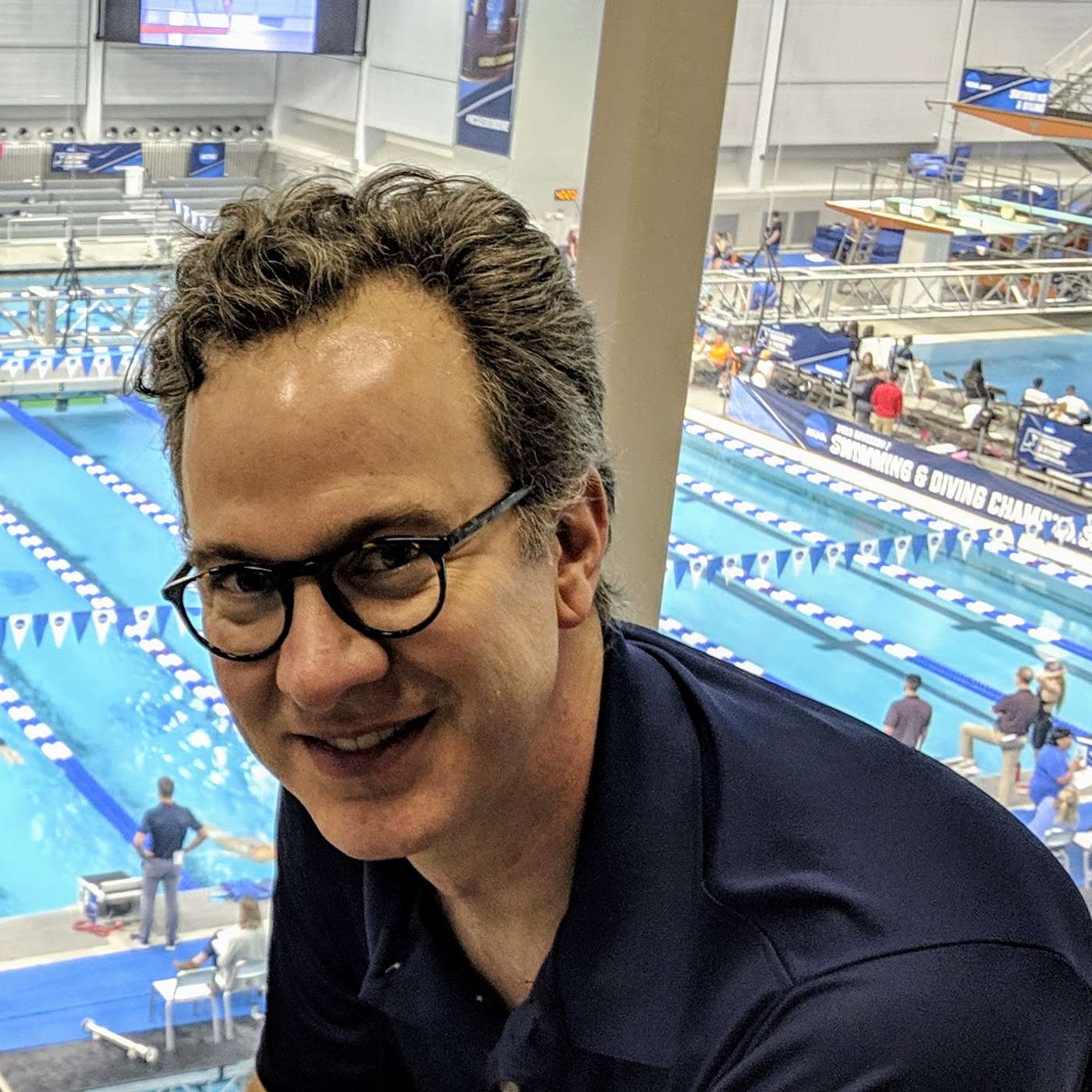
SwimSwam co-founder