

 Apple Podcasts
 Spotify
 RSS Feed
 How Ultra Swims Build Resilience: Oceans Seven Challenger, Steve "Moby" Leitch, EP 310

Fewer than 50 people on the planet have completed the Oceans Seven Challenge. Putting that in perspective over 7,000 people have summited Mt. Everest , Steve “Moby” Leitch is one swim away from being in such an elite club. You can train for months and still get humbled in minutes when the ocean decides to change the rules. After swimming the Strait of Gibraltar from Europe to Africa, elite endurance athlete, Steve “Moby” Leitch, joins us to break down what makes ultra marathon open water swimming so unforgiving: funnelled currents where the Atlantic meets the Mediterranean, tight wind restrictions, and real-world hazards like commercial freighters.
Steve is a member of the Greenville Splash Masters in South Carolina and is coached by Carolyn Moore and Leslie Scott.
We also go deeper than one crossing. Steve shares how he returned to swimming after decades away, how 15+ years of sobriety reshaped his definition of strength, and why these Ocean Seven Challenge swims are “sweat equity” that helps fund long-term sobriety living facilities. Along the way we talk about the behind-the-scenes reality that most highlights never show: nausea, cramps, cold water, sleep struggles, and the mental handbrake that tries to pull you out before your body is actually done.
What makes this conversation special is the inspiration and the team element. Steve explains how his wife Kelly supports him on the boat with preparation, feeding, and calm communication under pressure, and why that partnership has strengthened their marriage. If you’re a masters swimmer, triathlete, or anyone searching for practical endurance training advice, you’ll take away a clear framework: train for the worst day, keep your self-talk simple, and anchor every hard stroke to a purpose bigger than the finish.
You'll hear:
• why the Strait of Gibraltar is uniquely hard with currents, wind rules, and shipping traffic
• how Steve returns to swimming after decades away and builds a life around faith, family, and sobriety
• why (Steve's wife) Kelly’s role on the boat matters and how their swim communication strengthens their marriage
• what “endurance” means beyond fitness and how training for worst-case conditions builds it
• how sprint work, strength training, mobility, and sleep support long channel swims
• mental self-talk in the pain cave and the simple reset of one stroke at a time
• English Channel and Cook Strait moments with cramps, sickness, cold, and being pushed off course
• using an honest past to help others through addiction recovery and long-term sobriety housing
• what a champion mindset means when you stop trying to fit in
• the final Ocean Seven target with Catalina and why the next swim is always the hardest
If this helped you, subscribe, share it with a friend who needs a comeback story, and leave us a review so more swimmers can find the show.
Email us at HELLO@ChampionsMojo.com. Opinions discussed are not medical advice, please seek a medical professional for your own health concerns.
You can learn more about the Host and Founder of Champions Mojo at www.KellyPalace.com
00:00 - Cold Open And Welcome
01:36 - Why Gibraltar Is So Hard
04:56 - From Clemson To Open Water Return
06:21 - Marriage And Crew Behind The Swims
11:22 - Training For The Worst Day
24:27 - Pain Stories From Channel Crossings
33:41 - Sobriety Purpose And Champion Mindset
39:16 - Final Ocean Seven And Listener Review
Cold Open And Welcome
SPEAKER_02We're not going to tell him this, but he's just going to have to swim for four hours until the tide changes and pulls him in. And I went all the way up the Cook Street.
SPEAKER_00Hello, friends. Welcome to the Champions Mojo podcast, where we bring you interviews and topics to help you live well and swim well, conversations especially meaningful for master swimmers and anyone striving to perform better in the water or in life. We're here to champion you. And now your host, Kelly Pallas.
Why Gibraltar Is So Hard
SPEAKER_01Today we are stepping out of the controlled lane lines of the pool to dive headfirst into the chaotic, unpredictable world of ultra-marathon open water swimming with elite endurance athlete Steve Moby Leach. Steve is actively taking on the Grueling Ocean 7 Challenge, having recently just conquered the Strait of Gibraltar by swimming between Europe and Africa while dodging commercial freighters. What makes his achievements even more remarkable is his driving force. Steve is celebrating over 15 years of sobriety and treats these grueling ocean crossings as sweat equity to raise funds for long-term sobriety living facilities, a journey of resilience, which is chronicled in his book Against the Current and the documentary. Today we're going to dig deep into the extreme mental fortitude, pain tolerance, and athletic strategy required to conquer the open oceans. So please welcome to the show Steve Moby Leach. Steve, thanks for being with me today.
SPEAKER_02Thank you so much for um having me on. I appreciate it.
SPEAKER_01You just did the Strait of Gibraltar. Why is that such a hard swim?
SPEAKER_02So yeah, we swam the Strait of Gibraltar last Tuesday, so six days ago. Um just got back in Friday. Um I think the weather conditions, the oh, the currents, the way the Mediterranean is coming out and the Atlantic's coming in, it's just a really and it's funneling between like nine miles. So you've just got a really lot of water moving, not to mention Tarifa, Spain, is the wind surf capital of the world. So that means you we're down there the first day we're down there and we're watching people do things on kite surfs I've never seen in my life. But the chances of us are swimming are 30 knots less. You know, I mean, you can't go, gosh, they said something like if the wind is over 10 knots wind speed on Tarifa side, then the Moroccan government will not let you start the swim. If it's under 10 knots, and it goes over 10 knots during the swim, they're okay with that. But if they're if it's over that, then they're worried you're either going to get blown into their port or down into their zone that you're not allowed to land on. Um, so it's like you have to be able to swim pretty much straight across. Um, so we got, yeah, we had two false starts. Like we're about to head to the harbor and they canceled our swim Wednesday and Thursday. Then Friday, Saturday, Sunday, we couldn't swim because the currents were just too strong with the way the water was moving. And then Monday was out because we had 40 knot gusts. And then Tuesday there was like this sliver of a window to get out in the morning, and we're like, okay, I think we can go. And uh it got a little bumpy, but we got we got it, we got it done.
SPEAKER_01How long did it take?
SPEAKER_02Uh four hours 44 minutes.
SPEAKER_01Okay, so you you you had a pretty pretty straight swim then. I mean, you must have had a a good pilot to get straight across there.
SPEAKER_02Yeah, the wind was and the waves were kind of pushing at our back. Um, it we're swimming four of us. Unfortunately, one one guy didn't make it across, but um, three of us did. And it was uh it was kind of crazy going. I just swam from one continent to another. You know, I've done countries before, but I've never done intercontinental, you know.
SPEAKER_01And that's what they say is the coolest thing about doing the Strait of Gibraltar, right? That you start on one continent, go to another continent. So um, when you're when there are four of you starting together, do you um like is it four solo swims and you just have to be a certain distance apart, or can you be in a pack, or how does that work?
SPEAKER_02So for this swim is it's a group, so you've got to be all around the same speed. And we had all agreed to like 3.5 kilometers an hour. Um, so that was kind of our how we got grouped up um because we're all chasing Ocean Seven. Um and um and that you know that worked for us. So yeah.
From Clemson To Open Water Return
SPEAKER_01So um you right now are living in South Carolina, but you're from Scotland. How did that's right? That happened, yeah.
SPEAKER_02So I uh I swam for Clemson University um in 1990, 1991, um, going into 92 and then quit swimming my fresh end of my freshman year and did not swim again until 2017.
SPEAKER_01So you got recruited to swim for Clemson?
SPEAKER_02Yeah.
SPEAKER_01Who was who was your coach then?
SPEAKER_02Uh it was um uh I get this coach that recruited me ended up leaving, and we had this other guy, Jim Sheridan, who took over.
SPEAKER_01Oh, Jim Sheridan was the head coach there. Was Mitzi Kramer swimming there when you she was, yeah. Okay, yeah. Mitzi's a good friend of mine. She's also been on the show, and so you you definitely had a division one swimmer background, which is why I wanted to drill down on that a little bit. And that's how you ended up. So you just stayed after you left Clemson. You stayed in the US, um married, got married to your wife Kelly, who is a big part, like she's like your your partner in crime on all of these swims. Tell us a little bit about that, because I think that's such a beautiful part of your story and and your documentary, and how you know she's such a big supporter.
Marriage And Crew Behind The Swims
SPEAKER_02Yeah. So to back up a little bit, you know, going through drug and alcohol addiction and um like I what I call spiritual, physical, relational bankruptcy, um, I went through a divorce and you know, just really didn't understand relationships and things like that. And so when I when I did get remarried and I settled into my faith and then settled into my physical and then into my relational, kind of like who I was, um, Kelly and I got married in 2014. And it was kind of like, you know, what whatever I do has to be best for the family, and then everything on the outside. So we always work from the house out, not we're working from out to bring into the house. Um, so that when I fell back, when I say I fell back into swimming, it was like um I had a manager who just started, he's an Iron Man trahlete, and he learned about that. I used to swim. And I'm like, it's been 30 years. He goes, Well, try open water. I'm like, okay, well, sure, I'll sign up for a race six weeks from now. And I swam a 2.4 mile swim. And Kelly, of course, was there, but I I got hooked in the open water, you know. So I found that I was actually really good at open water swimming, slow, what I would consider slow compared to when I was a kid, but I enjoyed it. And she enjoyed being outdoors, she enjoyed kayaking when I was swimming, and it was something we like we could do together. So when we got onto the the channel swims, um it was just really important for me for her to be there. Uh, because one, it felt really supportive, but two, I just knew that no one would watch over me on that boat more than she would. And she'd be able to read me. And and what we found over the last three years is it's actually like really helped our marriage as well in communication, how to like convey things under pressure, how to, you know, not um, you know, like the first few swims, I'd be really sick and I'd hide it from everyone because I think they were gonna pull me out. And um, now it's like as soon as I feel sick or as soon as I've got a cramp, I tell them and they can get me the appropriate food or or medications that I need. Um, so yeah, she's she's a star. And this last swim, she had a GoPro in her head, she was holding a GoPro, and she was feeding two of us, you know. Um, so where she's come in the last three years in these swims is like she's got some you know six channels under her belt of being on every boat, and um she's been sick on like three of them, but she's absolutely amazing and supporting me. And I think there's nothing better than sharing with someone you love and care for like an incredible experience, an adventure, you know. So it's been fun, yeah.
SPEAKER_01Now, did she have any athletic background or did she just decide to jump in there and be, you know, that have that background without without the background?
SPEAKER_02Yeah, no, I mean she she like played some tennis, she I mean, she did some swimming, she was never really super athletic, but um I gotta tell you, she started CrossFit a couple years ago and she likes doing that just to keep fit. Um, I think she's a great runner, but more um she's super organized and she's detailed. So, like all of a sudden on these swims, we start having lists and we start having you know um debriefs that after the swims and going through the list of talking about things. So, like she's created a whole system for our swims that when we come home, like we go through the list, wash everything, repack everything with the list, and the bag is packed, ready to go for the next channel that we don't have to think about because it's ready to go. And and so she brought her skill set to organization to the adventures. Um, and that's been incredibly helpful for me because I would be kind of like, yeah, I got my cap, goggle, swimsuit, let's go, you know. Um, where she's like, she's got her pack, she's got her um medications, she's got tape, she's got zip ties, she's got, you know, everything. Like if the boat's sinking, I think she's got a bilge pump, you know, somewhere hidden in one of the bags. Um, but yeah, she's she's incredible.
SPEAKER_01That is fantastic. So you were you a distance swimmer at Clemson? I mean, were you a distance swimmer?
SPEAKER_02Yeah, I was 400 free, 1500 free, 400 im.
Training For The Worst Day
SPEAKER_01Okay, so you have a little background in what it's like to prep for those races, and um certainly very different than how one would prep for these these big channel swims. How do you prepare? Like what is your training going into something? Because it looks like it, you know, it kind of I looked at all the different ocean swims. It looks like on average, and I'm just gonna say average, they're you know, 12 hours of swimming, eight hours of swimming, you know, something like that. Um, very different than, you know, I consider myself a distance swimmer, but you know, my top long distance is gonna be a mile in the pool. So it's you know, 19, 20 minutes. Um, so how does one prepare for these open water? If someone's listening and they're thinking, you know, someday I want to do the X channel or straight or um what how do you prepare?
SPEAKER_02Yeah, that's a that's a great question. Um, and it's something that I've been getting asked more and more, and I'm like, okay, I've really got to put a definition to this. So what I've kind of come up with is you talk about endurance sports, right? Um have being having an endurance athlete. And endurance isn't actually a fitness, endurance is the ability to endure for an extended period of time through pain, unforeseen circumstances, and problems until you reach your goal. Um so what I do in training is if I'm sick, I'm training. I've got meetings all day, every day, working long hours, I'm training. If I, you know, if I've got family events, I'm training. Like it's it's constantly making sure the schedule and everything works, but I'm working at a very fatigued level all the time so that I endure, I endure, I endure. And it's it's making it um making myself in such hurt in such a way that when I go into maybe a long Saturday swim, I've done two training sessions on a Friday that I'm so sore from lifting and swimming and doing things that I'm simulating the last four hours of the swim on a Saturday morning. So I'm I'm constantly trying to create a pain cave um that simulates the hardest parts of the swim. So when a life is going sideways, as it does, you know, like it throws life, it throws you the unexpected when you have uh a blinded family, six kids, four grandchildren, two son-in-laws, a daughter-in-law businesses. Um, you can imagine we have a lot going on. So you have to be present for them, but you still have to train. And you know, I do, I get sick um from the stress and training and overload, but I have to endure. So I've really I work on that a lot. And um I always say, I think a lot of I've seen a lot of people train for perfect conditions. I train for the absolute worst to happen to me. So if the worst happens to me in training, then it's not as hard to overcome in a swim. Um, and so and truth be told, uh, it's not always swimming. I don't I don't just swim all the time. I do a lot of weight training. I've now that I've turned 52, um, I did a lot more mobility training, resistance bends. Um I'm at the chiropractor a lot more, you know, I'm getting IV, I'm getting IV drips. Um, you know, there's a lot more. I'm actually like, okay, well, I should probably start looking to making sure I'm getting enough sleep um for all this. Um, so it's definitely wait, wait, wait.
SPEAKER_01You you don't make sure you get enough sleep with all you're doing? That's not right, like top of the list.
SPEAKER_02Yeah, I'm not I've never been a great sleeper. Um so I really I've had to force myself to I just I just crested on average like six hours, 45 minutes of sleep last year. And that was like me pushing, and my goal was to get over seven um this year.
SPEAKER_01Um so what so it I you know I'm I'm I'm my mind is thinking, uh you know, when you're training that hard, are you just not so exhausted when you get into bed that you can sleep longer than six and a half hours or so?
SPEAKER_02I so there's something switches in me where I the more I train, the the kind of the more awake I am. Um so but also I have noticed in my my 40s, going into my 50s, like a 15-minute nap at like noon, you know, like boom, that sets me as well. Um, so now when I'm sick, I'll sleep like a baby. Like I my body would just shut down. Like I get sick, I'm ready to go to sleep. Um and you know, we've come back from Gibraltar traveling, long traveling, got in super early, 3:30 in the morning, Friday morning. I was up at six, worked till 10 o'clock at night, and then got up and went swam Saturday morning, then ran to get my mother-in-law, took her up to a baby shower for one of our daughters in North Carolina on Saturday, and drove home. You know, then we're unpacking, uh, went church Sunday morning, and you know, I came home from church. I'm like, I have allergies, or I'm not don't feel we and I slept for two and a half hours.
SPEAKER_01Yeah.
SPEAKER_02Fantastic. So my body, when my body demands it, it will take it.
SPEAKER_01Yes. So in a in an average week, like when you're not on the road and you're just training, how many swims a week are there compared to you know, like lifting or mobility or some of that?
SPEAKER_02Sure.
SPEAKER_01And and just and distances, yeah, sure.
SPEAKER_02Um so going into Japan last June and um North Channel in August, I was swimming around seven, five to seven times a week. Um, and doing anywhere from 35 to 45 kilometers in the pool um or in the lakes between the tooth. Um, then after I got back from North Channel, I was swimming three times a week. And because I had switched to short course, I continue to swim three short times a week because I cannot stand a short course. It makes me dizzy. I don't like it just it's it doesn't even feel like swimming anymore. So like I'm just doing flip turns all the time. Um but uh um so I only swam three times a week for about an hour and a half each time going up to Cook Strait. But then in Thanksgiving, we always do the 100-100s, you know. One of my favorite things, but I do a 10,000 before the 100-100s every year. So I end up doing 20,000 in the pool um yards that day.
SPEAKER_01Nice, nice. Now, do you swim with the masters group?
SPEAKER_02I sure do.
SPEAKER_01Greenville Splash, shout out Greenville Splash, okay. You know my friend Carolyn Moore. Absolutely, she's my coach. Your coach? Oh my gosh, Carolyn. Yeah, she's she's she's a sweetie. Well, that's cool. So is um is that masters community helpful? I mean, do they do they support you and follow you?
SPEAKER_02And oh yeah, they're Leslie, Carolyn, absolutely amazing. They put on a great program, but we've got a lot of ex-swimmers and master swimmers, and then we've got a lot of professional athletes that we train with. Um, so we've got a like we train really hard. And and it's funny, so some people go back to their old master's programs and they're like, uh we we didn't do anything, and we're we're like, we're like getting after it. Um but uh yeah, I think I've I've really I started to swim with them, gosh, or maybe four years ago. Yeah, four years ago in August, and it's probably one of the best things that I've done in just being back in that community. I don't know, I'll be honest. I don't know if I'm ever gonna do a master's in the pool event, but I love okay.
SPEAKER_01We gotta we gotta talk about that. Yeah, we gotta talk about that. So, so first, or no, second, why is that? But first, um when I think of open water swimmers, especially ones that have to go out there and swim for 12 hours, I I look at I looked at the you know, some of your videos of you swimming and your tempo is very relaxed, which of course, if you you know, if you're gonna swim for that long, you've got to be relaxed and not utilizing a whole lot of energy. How do you compare, like say uh, you know, 10100s on an interval? Are you training hard and swimming fast when you're preparing for something where you're going to really wanting to be slow? Um, and and I say slow meaning, you know, not probably compared to most people who would think of slow because you're, you know, a former Division I swimmer. But you know what the question is? Just how fast you train compared to how fast you actually race or how slow you you it's not even a race. How how fast do you train compared to how you swim in these long endurance swims?
SPEAKER_02Yeah, sure. So you're swimming around two miles an hour for these swims. Um, and you never you hardly ever get a straight line. So, like Cook Straight was supposed to be 14 miles. I swam 21. I mean Wow, yeah, yeah, it was a that was a great story. Um, but in the pool, I do really I try and sprint as I'm not good at a sprinter. I'm just my arms, my twitch muscles just don't go like that. So I and plus it really hurts. Like that sharp pain of sprinting. I'm like, who likes this? I like dull long pain, you know. Um, but I've I've realized that pain is pain. And if I can really push through, it's it's all about like creating that mindset, right? If I can push through that pain and continue sprinting and get faster and constantly driving for the wall, you know, negative splitting things, um, holding, holding times, then it it's not actually that I'm training my my body for that for the swim. I'm training my mind to say. When my mind goes, you know what? This really hurts. And I'm really not having fun anymore. Well, I have that conversation. Well, you know, we're doing fine. There's nothing injured. Nobody's shooting at us. Let's just keep going. Let's, you know, one hand in front of the other. Let's focus on our technique. Let's focus on these waves. Let's focus on, you know, where we are with the boat. And and you kind of like have these conversations because you remind yourself that you've pushed to Sasha, push your limits in the pool. You've pushed your limits in the gym. You've pushed your limits in your schedule between family, work, swimming, and everything. You're constantly like learning how to endure. And that's what that's more of what the sprinting and timing is for me is learning how to endure.
SPEAKER_01Yes. And that's so accurate as far as it's it's funny. Literally, I had that question like when you're in pain in a race, where does your mind go? What is that dialogue that you have? Um, and it's it's very similar. Um, you know, I've talked to obviously a lot of endurance athletes because I always love that question. Um, when you're in pain, what are you thinking about? And it sounds like you know, you answered that perfectly. So, however, that said, you know, I can get into some pretty serious pain in a in a you know 19 minute mile. You know, it's just it's like you've got to go out hard, you know, you you've got to be in pain for me. I'm in pain at like the 200. So, um, and then I say, can I hold this at the four, at the six, at the eight? And then the last thousand is always a conversation of um, you know, one stroke, one turn, one just one stroke at a time and how how it's hurting. But that is such a different animal than 12 hours of that. So how what's the longest you've really been in pain where you just worked yourself through it? And was there a different level of now? I'm just thinking about my technique and I'm thinking about good stroke mechanics, and maybe I'm singing a song. And like, has there been a race that just really tested you? I'd love to hear the story of the the one that was supposed to be eight miles and came to be no, supposed to be 14 and was 21. What happened there?
Pain Stories From Channel Crossings
SPEAKER_02Yeah, so um the the two swims that come to mind. Um, English channel. Callie was puking before I jumped off the boat in the pitch dark at 2:30 in the morning. And I'm kissing my wife on the forehead, and I'm just like, what am I doing? Like she's sick, and I'm about to puke, jumping into this pitch black void. Is it because of the sea that was making you oh it was very lumpy that morning, and um and that swim, I ended up being sick within 45 minutes into a 13 hour and 14-minute swim. At four hours, my hip flexor on my right side is completely cramped up, and I could not release it in any way, shape, or form to the fact where I'd strained it, it was so bad. So I had one leg completely out for from four hours to 13 hours. Um, and it was my first really cold swim, which was 62 degrees, you know, which isn't horrendous. But for every pool swimmer here who complains when the water temperature hits 70, 79, you know, uh, the hardest part is getting in the pool. I'm like, no, the hardest part is getting in the ocean. Um, you know, so that was a case of like, I just had to just keep going. And there's a there's a lot of prayer, but then there's things like, you know, that's when I found out we're having a grandson callie put it up on on the boat on a on a pad. Um, that's when um there was that one of my observers was smoking, and it made me so mad that I could smell his cigarettes on the boat while I'm swimming. And it was like, but I used that to just keep going. And then you come into beautiful moments where a seal comes up and plays with you and then nuzzles your feet, and you're like, This is the coolest thing in the world. Oh my gosh, there's the cliffs of Dover. Oh my gosh, there's jellyfish that don't look like they're gonna hurt, like the ones in Hawaii. There's you know, oh, there's a warm spot, there's a cold spot, you know. Like you start getting into all these different feelings and flow, and um but same kind of thing in in Cook Strait 15 minutes well back up. Cook straight. We groundied the boat on a rock before I'd even jumped in. So we had to get it off this rock, and I'm like, this one might not happen. So we open the open the bottom, see if there's water flooding in, and if we're gonna be sinking. Um, but then I jump in and it's a lot colder than I actually thought it was gonna be. And I cramped within 15 minutes. I mean, hard cramped in my Achilles on the left side, and I just stopped and I was like, Cal, get me a banana packet. So I'm a I'm a baby, I don't like bananas, but I'll have Gerber banana packets. Um, they taste great. So I got one of those and kept swimming and and worked it all out. But we um we hit a point mid-channel. I got mid-channel and and about four hours, and I'm like, we're doing great. And as soon as you say something like, we're doing great in a channel swim, Mother Nature goes, Oh, excuse me, you you rang, and uh the waves from the middle of the channel picked up to four to six foot swells and just started pushing me north. And apparently in the boats, they they try to get me through it, but it's like swimming across a really fast river. You cannot go get across it, you're kind of going down it until you get across. And they said, I hate to tell, we're not gonna tell him this, but he's just gonna have to swim for four hours until the tide changes and pulls him in. And I went all the way up the cook straight. It was that we were laughing the next day, like, well, you saw the entire Cook Strait, you know. I mean, it was all the way up until the tide changed and then sucked me down in. And even then, you're like, Well, how did that feel when it sucked you in? It was great, we're heading in the right direction. I see these islands called the Brothers. That's where I think we're heading. We're about to land on them. I'm like, which island are we going to? And the the pilot, Phil Rush, goes, No, we're going around the bottom. We've got another um five kilometers to go. Wants to go around the bottom of the islands. I'm like, you what? Because for the last two hours, I've been hunting down these islands, thinking that's the closest point we're heading to those. And I'm just devastated. Like, devastated. And that's so I swam off. I was like, I'm going to that island. And then I recalibrated and went, you know what? He knows what we're doing. Why would I ever question it? And I come back to the boat and I just lock in. I'm like, okay, one hand in front of the other. That's the smallest thing I can do right now. So my mind gets re-centered. One hand in front of the other. Okay, I can handle this pace. And actually, when we got into the islands, we got sucked around and I saw how fast we were moving. I'm like, hey, and we did 2K pretty, like really fast. So all of a sudden we're down to 3K, and I can, and he's like, that's where we're finishing. And the waves were hitting right behind me. I was like, okay, this is pushing me, this is pushing me. I, you know, and you start to just feel that I can do this because I'll always go back to this one story. For everyone who's listening, yes, I beat addiction, and by the grace of God, and that's the second hardest thing I've ever done in life. The hardest thing I've ever done in life is drop my children off after visitation at their mother's house. That is, there's no pain that has even come close to that in swimming. And I remember my personal things that I've gone through, that God has got me through. If I can endure those and still be breathing and get to do these, then I can do one more stroke. If I can do one more stroke for the guy who's battling addiction, I can do another stroke for the family who's been affected by addiction. If I can take one more stroke to raise money for someone who's battling addiction or needs mannership, then I can take another stroke. And I start having these conversations so that I just don't quit. I endure, endure, endure. But yeah, it's been hairy. It's been really, really hairy.
SPEAKER_01Yeah, well, I love that you're you have a balance of having bad things that are gonna come up in the swim from nausea to freezing to having your Achilles lock up and your hip lock up to to really having gratitude for things in there from the the beautiful sea life and the beautiful scenery. And um, I I don't know, there's some saying that we we need three to five positive thoughts to wipe out one negative thought. So it it takes a lot more. Do you con and and obviously you're thinking about your kids and swimming for addiction recovery? Do you consciously have to go there? Like, do you when you're swimming and you're in a bad place, do you consciously think, okay, I've got to I've got to really change my focus?
SPEAKER_02Yeah. Um, sometimes the brain will just when the brain's in a good flow state, I just let it go. But then when it was trying to put on the handbrake, as I call it, you know, the mental handbrake, it's like, no, no, you don't, you're not getting to make this decision right now. You know, and um and I but the the thing is you've got to have the right teams around you too. So in that cook straight, I had my bride Kelly, I had my incredible friend Granya, who's from Northern Iron, who lives in New Zealand, um, massive channel swimmer. Um, and she's on the boat and she's just encouraging me. And you know, Phil, Phil's, he's the fastest um English channel three-way ever in history, you know. Wow. And he got and he got the two-way at the same time. So like you've got all this experience, and um, you know, f Phil's just like no nurture, all nature. Um, Granya's energy, you know, Kelly's just like, you're doing great, you're doing great, you're doing great, you know. Like, so you start feeding this and going, if my if all my team, if all the teams doing their job really well, I then have a responsibility to do my job really well, you know. And it's just like at a swim meet, that it's not just the swimmers, it's the starter, the timer, the you know, the event coordinator. Everyone has a job. There's lots of people doing the job, and everyone has to do their job really well for the swim meet to come, right? The coaches have to do a job, the parents or whoever is involved, maybe not masters, parents, but you know, there's just more than just the swimmer. And when you remember that, you kind of go, I'm part of something. So let me just keep putting one hand in front of the other.
Sobriety Purpose And Champion Mindset
SPEAKER_01Yes. And when you when you say that you're swimming for people overcoming addiction, how does that actually translate out into the world?
SPEAKER_02Yeah, so we um I've kind of Steve Moby Leach, Moby came from my grandfather name, my grandpa, you know, two granddaughters, two grandsons, and so they call me Moby. And uh it was great because it became this really easy marketing thing for, you know, Moby Dick, Steve Moby Lee Swimmer. Um, so I share a lot about addiction recovery. Um I'm heavily involved in Greenville in the upstate with um Overcomers, Miracle Hill Overcomers um rehab program. And uh so I'm constantly getting now that people know who I am, I'm constantly getting these messages. Hey, can we have a conversation about this? Can we can you pray for me this? Can you, you know, and um and I think it's just putting a voice to your past that says your past doesn't define you, and your, you know, your your pain becomes your purpose. So like my my my pains, the things that I went through, I can connect with people in that as long as I don't hide them. And I kind of got that framework even from channel swimming, whereas if I don't hide my pain and I tell the team about my pains, then they can do something about it. Like, you know, oh, I'm feeling sick, okay. Well, here's a nausea pill, or hey, I'm feeling dehydrate, okay. We'll put some extra water in this. Hey, I'm feeling really caloric, calorically down. Okay, we're gonna add a little extra in this next one, you know. Um, hey, we need you to. I remember English Channel, um Captain Eddie uh turned to Herschel, who films everything, and he says, All right, we're gonna need a power hour from Steve. And Herschel comes out, and this is like 11 hours in, and Herschel was like, Hey Steve, des feeding, God, we need a power hour. Eddie wants a power hour, and I'm like, Okay. And it's just the way he delivered the message, I was like, Yeah, I'm in. And I I pounded for an hour. It might not have looked like it, but I I, you know, I went, I pushed, but it gave me something to fight for, you know. So I think when we share our needs or pains or our stories, then it allows people to connect with us.
SPEAKER_01Absolutely. So it's it's certainly inspirational to know, you know, that people can go from addiction and and being financially and spiritually broken, like you said, to um being this elite endurance swimmer doing incredible things. So it shows wow, you can you can be in a really dark place and then um come back and and inspire others. Uh one of the things that I always love to ask is, and I'd like to have the before and after, is what what really makes a champion? You know, this is we talk champions mojo, and the mojo is what's the energy and what's the positive things that we do to become champions. But if there were things that you could look back on in that pre- you know, healing, what would you avoid? Number one. Um and then and then what would you say really now makes you who you are?
SPEAKER_02Yeah, that's that is I love that question. Um, because it's a really simple answer for me. Um, I believe I quit swimming and I I started going down this path because I was trying to fit in with people. You know, I felt I was insecure about who I was. Um and I was trying to fit in. And I think um a champion mindset is you're on your path, you don't fit in. It doesn't matter if you fit in. It doesn't mean you're a bad person, you don't communicate well, or you know, you just might be misunderstood because this is where you're going and you're so locked into where you're going. That's the kind of champion's mindset. Now that would be for the Olympian style person. Um, my definition for a champion mindset now is someone special, you know, for me as a husband. Um am I am I showing up in my marriage? Am I connecting with my wife? Am I showing up for my children? Am I connecting with them? You know, what am I like as a grandfather? What am I like as a friend? Then what am I like in business? And then using all that to propel what I'm doing in sports and swimming, not just focusing on sports and swimming and wiping out all this other stuff. So I've reverse engineered it all. So I think the champion mindset is number one, it's okay not to fit in. You know, um, I think we talk a lot about being the one percent. Well, I believe God made one of us. You know, not one percent, he made one of us. We're individuals. We all have our own purpose, we all have our own gifts or talents or skills, and you can bring those to a team where you're still, you know, you can still be an individual on that team, you know, and um you don't you don't have to fit into what everybody else is doing if you really are secure in who you are and why you are created. And um, I think for me, that's the champion is knowing that God created me for a purpose to serve others, to love others, and to use my story to serve others.
Final Ocean Seven And Listener Review
SPEAKER_01I love that. That's that's beautiful. Well, what do you have left? Like, what's your next? Haven't you gotten all seven? Or do you have one?
SPEAKER_02No, I've got I've got six. I've got one more. And what's the next one? This is the best. So we schedule this out. So I'll um on July 19th, okay. We'll take a boat from San Pedro Harbor out to Catalina Island in California, and I'll swim from California to LA to do the last one. So we'll finish on US soil, and that'll be seven of seven. Um, and as like right now, six Americans have done all seven, and 43 uh people in history have done all seven. But we've got about nine of us who are on our last one this summer. So kind of hoping I get under 50 or 50, you know. Um, but either way, I just really I'm really blessed just to be even in this situation. And I'm even more blessed that I got to do it with my wife, and I'm more blessed to do it with our film producer, um, Herschel Zond. And uh and it looks like some of our kids might make it to the last one. So that would be wonderful.
SPEAKER_01The canalita channel. From what I hear, that's one of the toughest ones. Is that your is that your understanding?
SPEAKER_02I I got a little secret.
SPEAKER_01Yeah.
SPEAKER_02The next swim you do is your hardest swim.
SPEAKER_01Oh, okay.
SPEAKER_02The next one is always the hardest one. So it's 20 miles. You you start swimming somewhere between 11 and 12 o'clock at night. So then it doesn't get light till six in the morning. So your first six, six and a half, seven hours are dark, right?
SPEAKER_01Yeah.
SPEAKER_02So there's that complexity. And uh, you know, I swam through the night in Hawaii while the bioluminescents are amazing, the the stars are like a dome, there's no light pollution, but there'll be light pollution from LA. Um, but things go bump in the night, you know, you've got to work through a lot of like staying focused on the side of the kayak, not what could be circling around you. Um, and uh it it's it's it's gonna they're never easy. If you think they're gonna be easy, then you're not respecting the body of water.
SPEAKER_01Yeah, yeah. I I have a few friends that have swum the Catalina channel, and they said it gets colder too as you approach the shore, which is can be a challenge, I'm sure. But I love that attitude that the next one is the hardest one. Yep. Yeah, that's that's beautiful. It keeps you keeping you focused. So the last question is is there anything that I have not asked you that you would like to share?
SPEAKER_02It was funny we talk about pool swimming and and open water swimming. Uh I think we touched on it earlier that I'll probably never do a master's.
SPEAKER_01Oh, yes, yes. That was the second question. We never got back there.
SPEAKER_02Yeah, yeah, yeah. Um, so I've kind of said, I've kind of said, I said it at Coach Carolyn, I was like, hey, when I turn 70, I'm going hardcore masters. But until then, I'm doing open water swimming. Um, I don't know what it is. I I it's it's me understanding who I am. The tool, the the pool for me is a tool to get me where I want to go in channel swimming. Um, because I don't live next to the ocean, and I live next to the lakes, so it's it's just a tool. But um I just don't know why I have this thing that I don't want to compete. Like I tried to dive in the other day off a block, maybe a couple weeks ago or three weeks ago for the first time. Like I haven't since I was 18 years old, I have not dove off a block. And I've got the tier um open water goggles that I wear that uh special ops 3.0. So as soon as I dive in, they just go wink! I'm like, this is ridiculous. What am I? Why am I trying to dive in? But it's all those little things that I just haven't done in so long. It's not a nervousness. I'm just like, God, I still don't know if I want to sit around in a swim meet for an entire weekend. But if I was gonna do it, I would definitely do it with my master's team because um I think they're great and they're fun to be around. Um, so we can't say never, maybe when I'm 70.
SPEAKER_01Never say never. I don't know if it's yeah, I don't know if it's the Lynn Cox of famous open water swimming Lynn Cox, but um I'm heading to the Greensboro Spring Nationals uh in two weeks. And you know, it's the US Masters Nationals. And in my age group, I see Lynn Cox is entered. And I'm like, oh, I'm I'm fangirling out because um, you know, she's she's just a legend and in open water, but I didn't know she did pool swimming. So I'm just you know, I can't wait to to see her there. And evidently there's one open water swimmer who I thought, you know. Lynn never would have to migrate to the pool because she's done so much in open water and for open water. And um, and yet I believe it's probably the Lynn Cox because it's the right age, and maybe it's not. Maybe Lynn Cox is just a common name and it's and I'm gonna be disappointed. But um, but that's so funny.
SPEAKER_02Yeah, yeah, because I I would I actually I'm like I'm a huge Katie Lodacki fan. Uh I just think I love watching her stroke. Um, and I'm like, when are you just gonna cross over and do some open water? Because with your stroke, you're gonna crush it. And um, you know, but she's still not done in the pool.
SPEAKER_01She said she never will. She said she doesn't like open water.
SPEAKER_02I'm so disappointed by that.
SPEAKER_01I'm like, we all are, we all are, because uh we've talked about that. I don't know who I've talked about on the show, but yeah, I mean, isn't she just a natural, like even just 10k? I mean, just 10k, she would crush it.
SPEAKER_02No, that's a that'd be like, you know, um, with her tempo and her stroke, she'd be amazing. But you know, I also learned from her like she treats everything like a sprint, and I'm you can't do that on a 20-mile swim. You just you can't, but what you can do is have that mentality is like you're building, building, building, building, building, and you're you know, trying to get better as you go towards the end and having that mentality. Um, so I I learned from the pool swimmers too, yeah, for sure.
SPEAKER_01I don't think Katie has that gear right now to slow down. I think Katie swims, you know, like all out in a mile. So, well, Steve, this has just been fantastic. I could talk all day with you, but uh, in respect to time and not running over. Thank you, Steve. It's been it's been fabulous. And um, I'll be cheering for you.
SPEAKER_02I appreciate you. Thank you.
SPEAKER_01Thank you.
SPEAKER_02Cheers.
SPEAKER_00Thank you for listening to the Champions Mojo podcast. Would you consider leaving us a five star review on Apple? That's like getting a best time for us. Kelly and our team would be so grateful. See you next week for another Boost of Mojo.
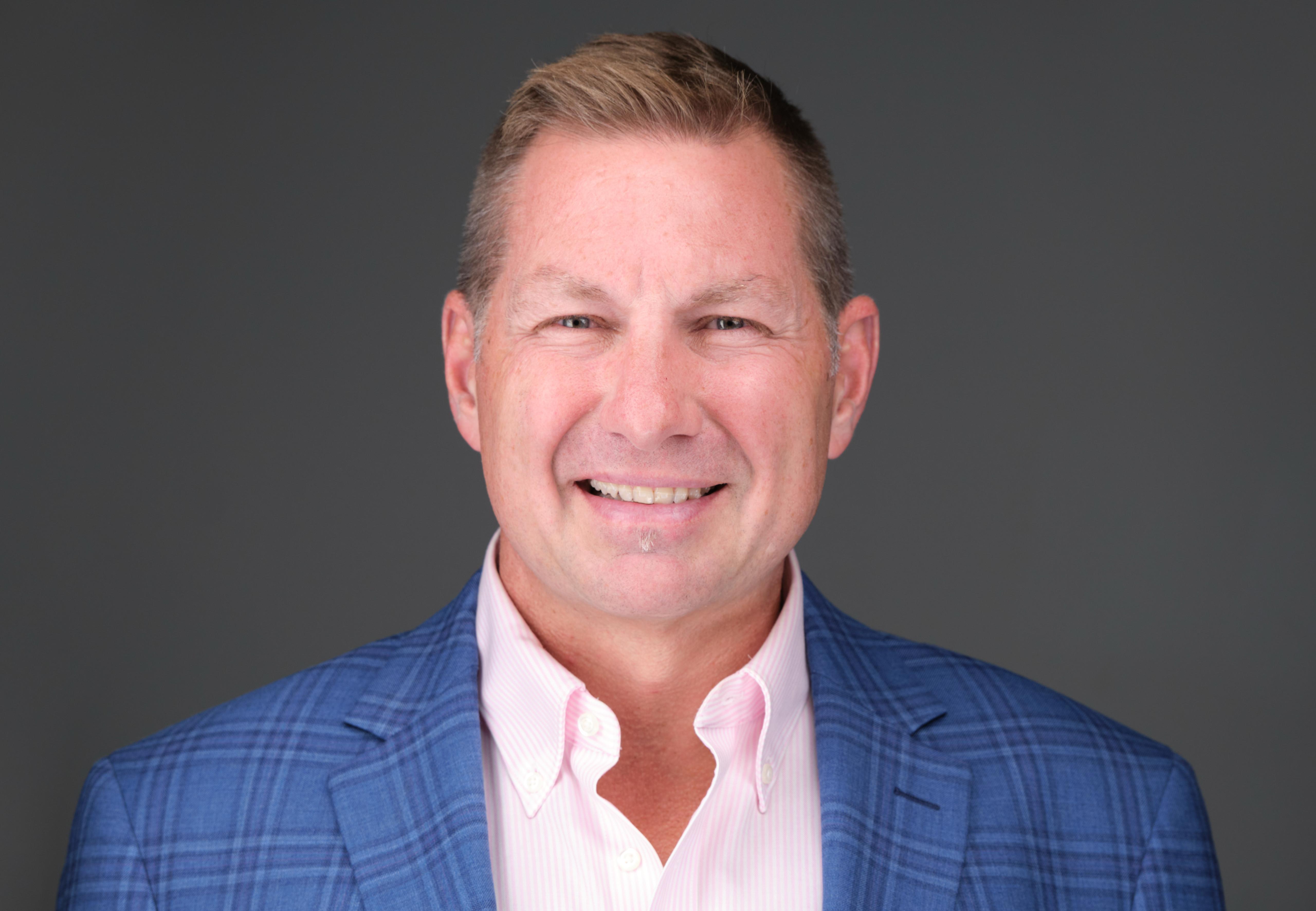
Oceans 7 Swimmer | Resilience Speaker
Steve “Moby” Leitch is an ultra-endurance open water swimmer on a mission to complete the Oceans 7, one of the most extreme challenges on the planet, with only a handful of people in history ever finishing it.
But the real story isn’t the water.
After walking away from swimming as a freshman at Clemson, Steve spent years battling addiction and nearly losing everything. What followed wasn’t a comeback. It was a complete rebuild. Through faith, discipline, and relentless daily habits, he returned to the water decades later with a purpose far bigger than performance.
Today, he has completed 5 of the 7 Oceans 7 channel swims, including some of the most dangerous crossings in the world, often in freezing temperatures, through darkness, currents, and open ocean conditions where quitting is expected.
Steve is the founder of Rising Tides Ministry, providing mentorship housing for men coming out of recovery, and Beyond the Shoreline, a media platform sharing stories of redemption and endurance through film, including the award-winning documentary Channel of Bones.
On stage and in the water, Steve teaches one core truth:
You don’t become unbreakable by avoiding pressure.
You become unbreakable by building a life that can withstand it.
He is currently pursuing the final two Oceans 7 swims, using every mile to raise awareness, funding, and hope for those fighting to rebuild their lives.
