Apple Podcasts
 Spotify
 RSS Feed
 How to Create A Championship Culture: Greg Clink, EP 312
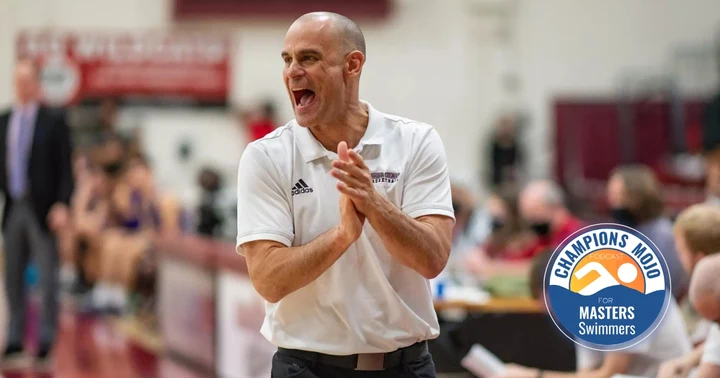
Ever wonder what separates an average swim lane or team from a championship-level squad? Culture isn’t a poster on the wall—it’s the way your team operates on an ordinary Wednesday morning when you're staring at the black line and nobody is trying to be inspirational. In this episode, we sit down with Greg Clink, 3-time Coach of the Year in basketball, who's a leadership expert, to put a real definition around “championship culture” and make it completely usable for Masters swimmers, coaches, and anyone striving for high performance for a team in our out of the water.
We break down what culture looks like in daily behaviors: how you communicate on the pool deck, how you treat your lane mates, and how to "confront the snowball" of small team conflicts before they turn into a full-blown avalanche. From masterfully using end-of-practice “put-ups” to motivate your teammates, to creating buy-in for specific roles, Greg shares simple, actionable tools you can take straight to your next workout or meeting.
In this episode, we cover:
- Defining Team Culture: Why daily operations and standards matter more than big speeches.
- The Power of "Put-Ups": How to end practice by spotlighting winning behaviors you want repeated.
- Confronting the Snowball: A leadership mindset for spotting and solving small issues early.
- The Power of One: How much influence one person can have to shift a team's culture positively or negatively.
- Creating Ultimate Buy-In: Building pride, accountability, and trust across the entire roster.
If you want a healthier, higher-performing team culture in Masters swimming, at work, or at home, dive into this conversation and take one idea into your next practice. For more from Greg visit www.GregClink.com
Subscribe for more, share this with a teammate, and help us out—leaving a five-star review on Apple is like getting a best time for us, and our team would be so grateful!
Email us at HELLO@ChampionsMojo.com. Opinions discussed are not medical advice, please seek a medical professional for your own health concerns.
You can learn more about the Host and Founder of Champions Mojo at www.KellyPalace.com
00:00 - Confronting The Snowball Early
00:20 - Meet Coach Greg Klink
01:46 - Defining Culture As Daily Habits
03:20 - Texts And Put-Ups That Motivate
04:48 - What To Do When Culture Feels Off
08:36 - One Person Can Shift The Team
10:42 - Life After Coaching And 10 Principles
14:08 - How To Reach Greg And Closing
Confronting The Snowball Early
SPEAKER_01
We all know that snowball starts rolling down the hill and it gets going faster and faster and faster. All of a sudden, it turns into an avalanche, right? And so I call problem solving confronting the snowball. I wanted to confront every little issue before it became something big.
SPEAKER_00
Hello, friends. Welcome to the Champions Mojo podcast, where we bring you interviews and topics to help you live well and swim well, conversations especially meaningful for masters swimmers and anyone striving to perform better in the water or in life. We're here to champion you. And now your host, Kelly Palace.
SPEAKER_02
Today on the show, we're joined by Greg Klink, a former Division II National Championship level basketball coach who spent 15 seasons as the head coach at Chico State, building one of the most respected programs in the country. His teams made 13 postseason appearances, reached nine NCAA tournaments, and captured multiple conference and regional titles, earning him three Coach of the Year honors along the way. Today, Greg brings the same winning mindset beyond the court as a speaker and leadership expert, helping teams and organizations build what he calls a championship culture through clarity, accountability, and high performance. Now, I know we're swimmers, most of us listening, but we're gonna get some great nuggets on how to be high performers. Greg, as a former NCAA coach myself and someone who loves building championship cultures, welcome to the show.
SPEAKER_01
Thank you. Appreciate you having me. I'm excited to be here.
SPEAKER_02
So I really am excited to talk about culture. I think people feel culture, but we don't always have a way to name it, right? So let's start. Let's start there. When you think about the word culture, how do you define it?
SPEAKER_01
When I was coaching basketball, our culture was defined by how we operate on a daily basis. Okay. So how we operate on a daily basis really defined what our culture was about, how we treat each other, how we communicate within the organization, how we conduct ourselves in terms of our work ethic, uh, how we show up, how we cooperate. And there's a lot of things that go into that. And when I was building culture as the head men's basketball coach at Chico State, there was obviously a lot of those things that you had to think about. And it really came down to a vision. And I think that if you go into any team, organization, business, and you are tasked with leading a group and you want to build and develop and sustain great culture, you really have to have a vision. You have to know what you want it to look like. You have to be a great communicator in terms of communicating that vision to have a vision for how you want the program to operate. And that goes, there's so many different things that go into that practice, fundraising, travel, you know, how we interact. But you have to lay out the vision of what each piece of those things look like, and then you have to hold people accountable for it.
Texts And Put-Ups That Motivate
SPEAKER_02
What was a unique way you communicated as a coach?
SPEAKER_01
Everybody carries their cell phone around nowadays, but it's a powerful tool. So, one of the other ways to communicate with our phones, I would send a message, right? And I maybe am dealing with a guy that doesn't bring a great effort every single day. And I know tomorrow we need to have a great practice, and we need this person to show up and give a great effort, right? I'm just using an example that I maybe dealt with. So maybe that night I would send that person a text message and I would say something like, Hey, you had a great practice today. We need you to have a great practice tomorrow, right? And in here are the things that you did well today. If you show up with that type of mindset tomorrow, things are going to be great for you. And then maybe immediately after that practice, you tell them what a great job they did, text them, hey, great job in the pool today. I also think another powerful one is is when you get everybody together right at the end of practice before they hit the locker room, shower, change, go home. You know, I used to call these put-ups. We all know what a put down is. I used to use put-ups. It would be like, hey, Kelly, great job today. I love to work out that your teammates got because of how you pushed them and and worked with them was phenomenal. You try and acknowledge that and they're probably feeling pretty good because you called them out in front of their peers and told them how great they were.
What To Do When Culture Feels Off
SPEAKER_02
Yes, I love that. That's that's very powerful. If if someone is on a team and we're we're all on teams. Our families, our teams, our work environments, our teams, maybe even our garden club is a team. If you're on a team, if one is on a team and something feels off culturally, what would you recommend?
SPEAKER_01
The first thing to do is Yeah, that's a great question. So as a leader, I would always have an open door policy, right? I I always would try and encourage people to come express their opinions. It doesn't always mean things are going to change, but if you have a concern or an issue, I'm the first one that you come to, right? And I used to really use my assistant coaches, my captain. So I'm gonna talk to you from a leadership standpoint first, and then we'll talk about if you're in an organization, what are things that you can do. But I was always, as the leader, I was always looking for problems, right? And I called it confronting the snowball, right? And what I mean by that is we all know that snowball starts rolling down the hill and it gets going faster and faster and faster. All of a sudden it turns into an avalanche, right? And so I call problem solving confronting the snowball. I wanted to confront every little issue that we had within our team before it became something big. So it sounds funny, but I was always looking for problems. I would talk to my assistant coaches who had different relationships and beads on the guys. What's going on with this person? This guy's body language didn't look good today. This person seemed down today. What's going on with this person? I would bring my captains in and I might say, Hey, Mike, what's going on in the locker room? Like, are there issues that I need to talk about, right? Or there are there things that we need to address, but you're trying to confront that snowball and deal with those problems before they roll down the hill and do an avalanche. Now, if I was on an on a team, or here's what I would want or hope that the people in my organization or on my team would do if they had a problem. If if they felt like something wasn't culturally right or there was an issue that maybe was going on within the team that I didn't know about, I'd want them to come talk to me. And so as the leader, I was always trying to build that rapport and those relationships so that people felt comfortable approaching me, right? Whether it'd be a problem that they have personally, whether there'd be a problem with somebody else on the team, but I wanted those people to be, you know, feel like that I was approachable. So if you're on an on a team or in an organization and you have a problem, I think that, you know, I think one, it's hard because it depends on the leadership, you know, and there's some organizations uh where you know that the leadership's not going to be receptive to what you have to say. That doesn't mean that you don't express your opinion. But I I think that communicating with your captains, communicating with people, maybe communicating with the leader and just expressing, I want this organization to be healthy culturally. I want it to be successful. But here's an issue that I see plaguing us, right? Can we talk about it? You know, and then you have that conversation. It doesn't mean things are going to change. You know, you would hope that if it was something that everybody was seeing, that there would be change. But I think that you need to, you know, you need to speak up and you need to do it in the right way, but you need to approach your leaders, whether it be your captains, your assistant coaches, your head coach, with those type of issues and have an open and honest conversation.
SPEAKER_02
Yes, I I like that. How how much influence do you think one person can have on a team's culture?
SPEAKER_01
I think that one person can have a huge influence, both positively and negatively. You know, I don't think everybody was born to be a leader. I think that everybody can improve their leadership skills, but I think that if everybody were a leader, this world would be chaos, right? Your team would be chaotic. Not you can't have 40 leaders on your master swim club, or it would be chaotic because everybody would have a different vision, everybody would try and be taking this thing a different way, it would be constant conflict. So I think it I think that there needs to be followers. Like there, there's value in following people. I think that if you are a leader and you have those type of natural leadership skills, you can influence the deal both positively and negatively in a big way. You know, and you would hope that if one of your leaders has an issue, that they come to you, right? And you have that communication because what you don't want your leaders to be doing is negatively taking it the wrong direction. And that can happen a lot. That happens on a lot of teams where you have people in leadership positions or that are natural leaders and they're not happy with the way things are going. Those are those are those types of snowballs that you need to figure out, right? The head coach, you need to not only be evaluating people in the pool, but you need to be evaluating those interactions and conversations that are happening on the way to the swim meet in the restaurant, you know, at the next town when you're finishing this, you know, like you your ears and eyes have to always be open and like who's who's affecting this deal? Who's affecting it positively? Let's reward them and praise them, and who's affecting it negatively? That's a conversation that I need to have real quick so that we get that person back on board.
Life After Coaching And 10 Principles
SPEAKER_02
Yes. Yes, that's awesome. And then, Greg, is there anything that we have not talked about or that I haven't asked you that you think you would like to share with our listeners?
SPEAKER_01
I think this has been great. I I love I love talking about leadership and I love talking about team building and developing culture and and interaction. You know, I I coached college basketball for 30 years. You know, the obviously the last part of my career was the head coach at Chico State. I retired two seasons ago. I mean, really retired for family reasons. I have three sons. My youngest is a college wrestler now, and I virtually missed most of his high school wrestling career. And I decided, you know what, I'm not going to miss his college career. So that was my main reason. So there are certain things that I miss about coaching, that I miss about leadership. The very beginning of our conversation today, we talked about culture being a buzzword. Everybody says, hey, we need to develop great culture, but not everybody knows how to do that. And so what I'm really trying to do now is I go into organizations and I talk about team building. I talk about developing and sustaining championship culture. I go into schools and I talk to coaches and students and student athletes about things that you can do to build programs, things that you can do to enhance your athletic experience. So that's where I'm getting my fulfillment with this now, right? I miss, I miss the day-to-day leadership of coaching. I don't miss the games. I don't miss recruiting. I don't miss fundraising. I don't miss the travel, but I do miss the interactions that I had with student athletes. I miss the interactions that I had with coaches. So that's what I'm doing now through my speaking business, right? I go into different organizations and I get to know people and I talk about leadership. And just like we're talking about it right now. So it's been fun. I've been, you know, almost a year into building this business. And, you know, if if there are people listening that want to get on and talk with me on Zoom, on the phone, in person, I am all for coming and trying to help people lead, build great culture, build teams, answer questions, consult. So I'm available and I have a 10-point presentation on developing championship culture. So we go through 10 different principles that I used to lead, that I would take my team through at the beginning of each year. Now I take coaches through it, and we talk about different things that if you implement these things, your culture will improve, right? Your vision, the people that you have in your organization, developing pride in your product. We talk about relishing in your role. How do you get people on your team to buy into a role, even if it's not the role that they want, right? So there's 10 different principles that I take leaders through, and we talk about how to implement those things in order to improve the culture with which you operate. And so it's fun, it's interactive. So that's what I take people through is you know, let's talk about what you want the culture to look like. And here's 10 things you can implement on a daily basis to make that vision of the culture you want a reality.
SPEAKER_02
Yes. And if people want to find you, it's gregklink.com.
SPEAKER_01
Yeah, Greg, it's Greg Clink, G-R-E-G, C-L-I-N-K, C L I N K dot com. My email is info at Gregklink.com. And then I have, you know, at Greg Clink for Instagram and Facebook. But the best way to get a hold of me is email me, get on my website. There's ways to contact me on my website. But yeah, I'm I'm excited. I'm trying to get out and talk to as many teams and organizations as possible. So if there's somebody that sees some value in this, do not hesitate to reach out.
SPEAKER_02
Well, wonderful. Well, you certainly know how to create a championship culture. You did it for so many years there at Chico State and Coach of the Year. And it's just, I think anybody working with you would be very lucky. So thanks for spending this time with us today. Really appreciate it.
SPEAKER_01
Great to get to know you, and I appreciate the opportunity to be here. Thank you, Craig. Thank you.
SPEAKER_00
Thank you for listening to the Champions Mojo podcast. Would you consider leaving us a five star review on Apple? That's like getting a best time for us. Kelly and our team would be so grateful. See you next week for another Boost of Mojo.

Keynote Speaker | Team Builder | Culture Consultant
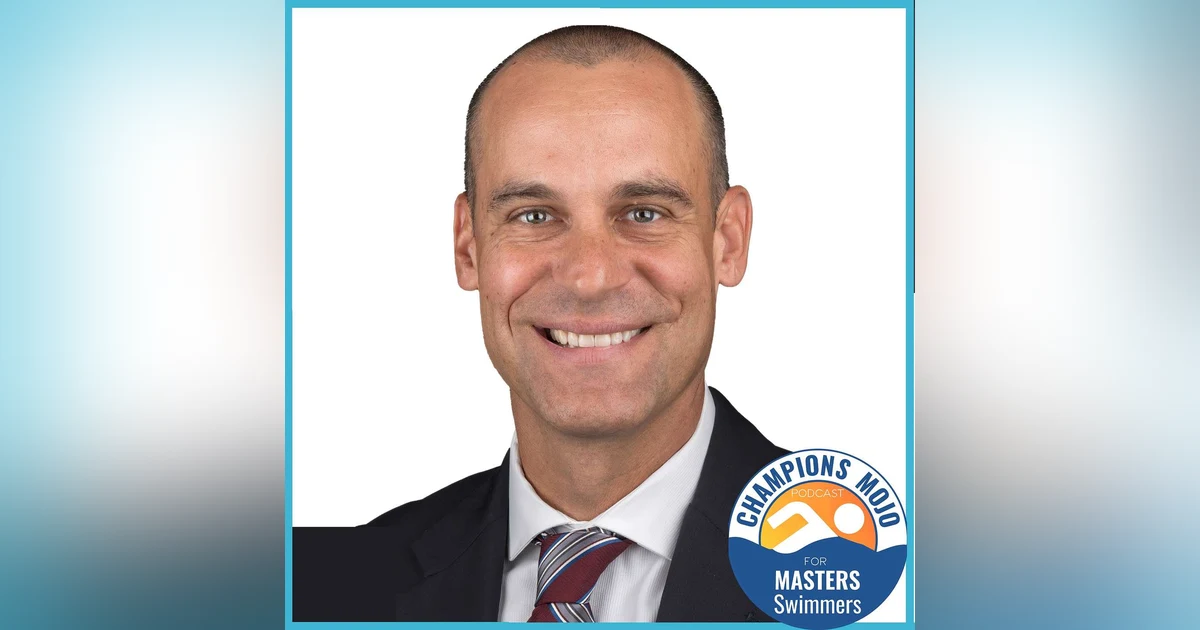
Greg Clink is a keynote speaker and former NCAA head coach who built a championship basketball program over 16 seasons at Chico State by instilling clear standards, accountability, and team-first culture. He now works with organizations to turn culture into consistent performance by helping leaders create environments where accountability holds without constant oversight.
Through his proven 10 Core Principles, Greg equips teams with practical systems to strengthen ownership, build discipline, and sustain high performance over time. His work focuses on leadership development, culture transformation, and aligning daily behaviors with long-term success.
Greg’s keynotes and workshops are designed for leaders, teams, and organizations that want to eliminate complacency, raise standards, and create a culture where success is consistently upheld—not occasionally achieved.