The Best Seat in Swimming Isn't in the Stands: Five Reasons To Be An Official with Chet Goudy
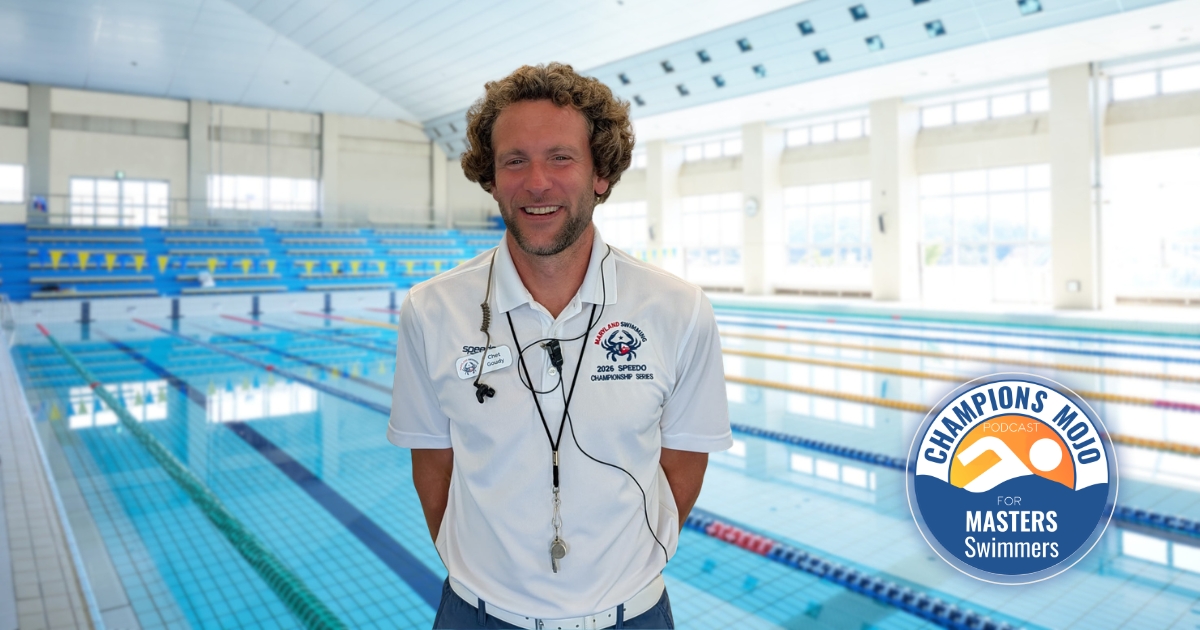
Most swimmers spend years staring at officials from behind the blocks without ever considering what it's like to stand on the other side of the whistle.
For many people, becoming an official sounds intimidating. You have to learn the rules. You might have to disqualify someone. You worry about making mistakes. And if you're a parent, swimmer, or coach, it can feel like something other people do.
But according to USA Swimming deck referee Chet Goudy, that's one of the biggest misconceptions in the sport.
In reality, officials aren't there to catch swimmers doing something wrong. They're there to protect fairness, support athlete development, and help meets run smoothly. And for those who get involved, officiating often becomes one of the most rewarding ways to stay connected to swimming.
If you've ever been curious about what officials actually do, here are five reasons you might want to consider stepping onto the deck.
You Get the Best Seat in the House
Most spectators watch a race from the stands. Officials get to watch it poolside.
As a deck referee, Chet has a front-row view of every start, finish, breakthrough performance, and emotional moment that unfolds during a meet. He gets to see swimmers achieve goals they've worked months or years to accomplish.
For people who love the sport, officiating offers a way to stay immersed in swimming long after their own competitive careers have changed or ended.
As an official, you aren't just attending the meet, you're part of making it happen.
You're Helping Swimmers More Than You're Policing Them
One of the biggest fears people have about officiating is disqualifying a swimmer.
Chet understands that concern, but he encourages people to think about disqualifications differently.
A DQ isn't a punishment. It's feedback.
Swimming is a technical sport governed by rules that create fairness for everyone in the pool. When an official identifies an infraction, the goal isn't embarrassment. The goal is education. Coaches can address the issue, swimmers can learn from it, and athletes improve moving forward.
The best officials aren't looking for reasons to disqualify swimmers. They're focused on applying the rules consistently so every athlete competes under the same standards.
The Sport Needs More Officials Than You Think
Talk to almost any meet director and you'll hear the same thing: finding enough qualified officials is a constant challenge.
Without officials, meets can't function.
That means every new official has an immediate impact. You're not stepping into a crowded volunteer role. You're filling a genuine need that helps create opportunities for swimmers to race.
For parents looking to contribute beyond timing, former swimmers who want to stay involved, or Masters athletes searching for another way to give back, officiating provides a direct way to strengthen the sport.
You Don't Have to Know Everything on Day One
Many potential officials assume they need to memorize the entire rulebook before getting started, but that's not how the process works.
Most officials learn through apprenticeship and mentorship. New officials work alongside experienced ones, receive guidance on deck, and gradually build confidence through repetition and experience.
Just like swimming, officiating is a skill that develops over time.
Nobody expects a first-year swimmer to know everything. The same is true for officials. The willingness to learn matters far more than having all the answers.
You'll Build Relationships Across the Swimming Community
One unexpected benefit of officiating is the community.
Officials often work with the same people throughout a season, creating friendships and connections that extend beyond individual meets. Many describe the officiating community as one of the most enjoyable parts of the experience.
For Masters swimmers especially, this can be a meaningful way to deepen their connection to the sport.
Swimming is often viewed as an individual pursuit, but thriving swim communities are built by people who contribute in different ways. Some coach, some compete, some volunteer, and some officiate — but all of them help create the environment that keeps swimmers coming back.
The Fear Is Usually Worse Than the Reality
Perhaps the biggest takeaway from Chet's perspective is that most people who consider officiating imagine the hardest parts before they experience the rewards.
They worry about the rulebook.
They worry about making mistakes.
They worry about disqualifying a swimmer.
What they often discover is something very different: a supportive learning environment, a deeper understanding of the sport, meaningful relationships, and the opportunity to play a valuable role in helping swimmers succeed.
If you've ever thought about becoming an official, this might be the sign to explore it.
The sport needs more knowledgeable people on deck. And according to Chet, you may discover that the best seat in swimming isn't in the stands after all.
Subscribe to the podcast for more conversations that help you live well and swim well, and if you have a moment, leaving a review helps more swimmers discover the show. You can also stay connected by joining our Mojo Messages, short encouraging messages sent straight to your inbox to help you live well and swim well. We're cheering you on!
Email us at HELLO@ChampionsMojo.com. Opinions discussed are not medical advice. Please seek a medical professional for your own health concerns.
You can learn more about the Host and Founder of Champions Mojo at www.KellyPalace.com
Host, Founder, Journalist, Author
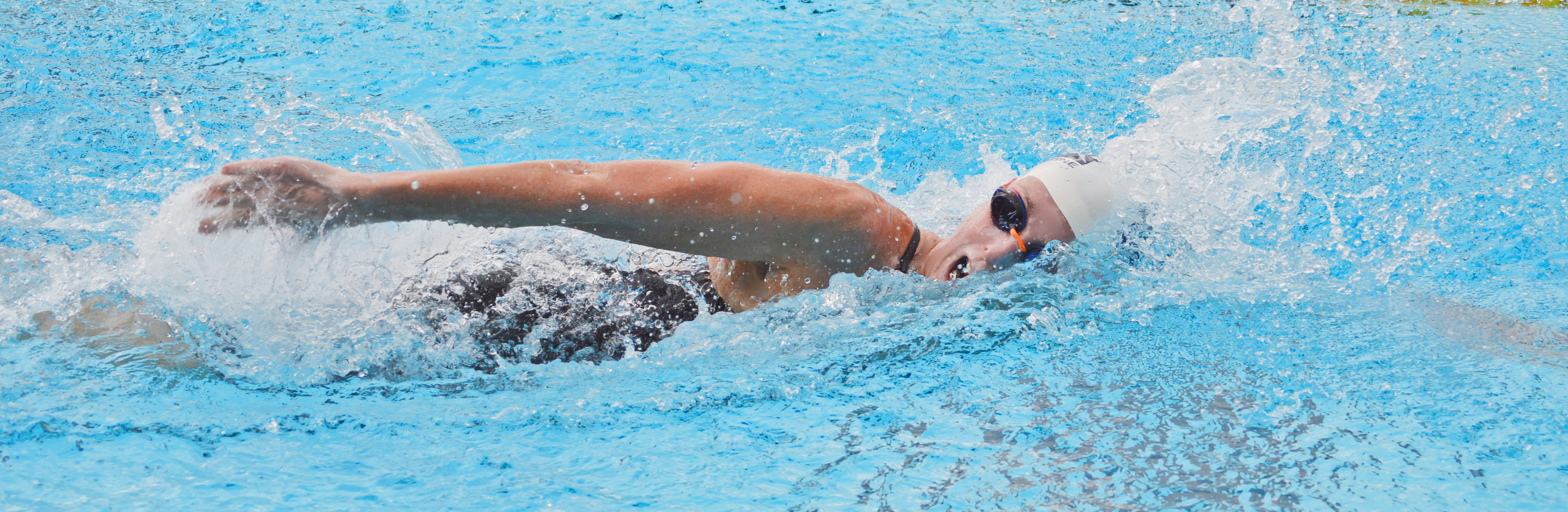
Kelly Palace is proof that you can be a world-record-setting Masters swimmer, bestselling author, and breast cancer survivor—and still laugh at yourself along the way. A former NCAA Division I head coach and journalist for Pfizer's magazine, she now dives deep with Olympians, experts, and everyday champions on Champion’s Mojo to uncover what makes people great (and what keeps them sane): the secrets to living well and swimming well. She’s survived 9/11, topical steroid withdrawal, and divorce, but has found love for the last 22 years with her husband, Mark, who is 12 years her junior. Kelly believes in comebacks, kindness, and coffee before (and after) chlorine. Her hobby of stand-up comedy makes her feel alive—and heckled.
Overcoming Swim Meet Panic Attacks and Air Hunger in Competitive Racing