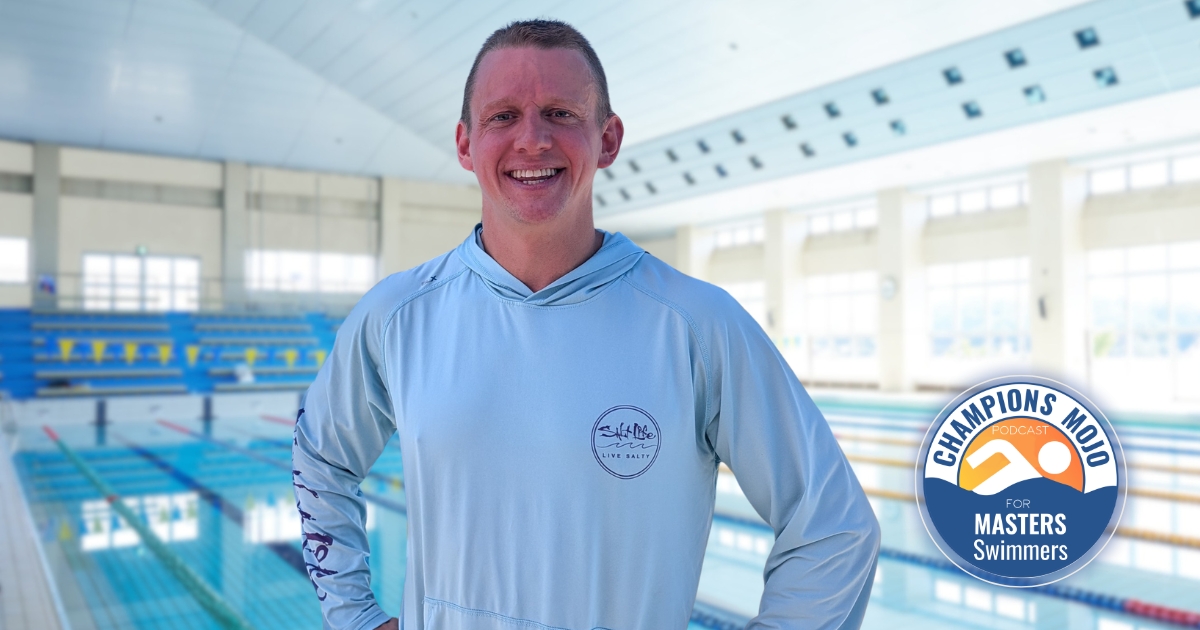
The Pre-Race Trick All-American Masters Swimmer Ryan Kloppe Swears By (And the Science Behind It)
Every swimmer knows the feeling. You dive in, settle into your race, and somewhere around the halfway point it finally feels like your body has caught up with what your mind has been asking it to do all along.
The problem is that by then, you've already given away valuable time.
Most of us assume better race performances come from swimming more yards, tapering perfectly, or finding one more technical improvement. All-American Masters swimmer Ryan Kloppe discovered there may be another piece of the puzzle hiding in plain sight: what happens in the final few minutes before you step onto the block.
After returning to competitive swimming following a twelve-year break, Ryan rebuilt himself into one of the top-ranked Masters swimmers in the country by doing something many athletes overlook. He stayed curious. Instead of assuming his warm-up was working, he started measuring it. The results challenged what he thought he knew about race preparation and offer a simple lesson every swimmer can put into practice.
Your Body Shouldn't Be Waking Up During the Race
Ryan began using a PHLex heart rate monitor, a small device that clips onto a goggle strap, to see how his body responded during competition. He expected his heart rate to climb into the highest ranges as soon as the race began.
Instead, the data told a different story. Even during hard races, his heart rate often stayed well below the levels he routinely reached in practice. In sprint events, his body wasn't reaching peak effort until much of the race was already over.
That's an important distinction because sprint races don't last long enough to wait for your body to catch up. The goal isn't to build intensity after the start. It's to arrive at the start already physiologically prepared to perform.
As guest co-host Mark Palace explains, sports physiology research supports this idea. For sprint events, swimmers should elevate their heart rate before stepping onto the block so the cardiovascular system is already primed when the race begins. That's one reason elite swimmers often look so active behind the blocks. The jumping, arm swings, and dynamic movement aren't nervous habits. They're intentional preparation.
Warm Up for the Race You're Actually Swimming
One of the biggest mistakes swimmers make is treating every warm-up the same. A distance race and a 50 freestyle don't ask the body to perform in the same way, so they shouldn't always be preceded by identical preparation.
For shorter events, consider adding a few minutes of dynamic movement just before your race. Jumping, high knees, arm swings, resistance band work, or anything that safely elevates your heart rate can help your body transition into race mode before the starter ever calls you onto the blocks.
This is especially valuable for Masters swimmers, where warm-up space is often limited and long waits between events are common. Even if you can't get back into the pool, you can still prepare your body to perform.
Small adjustments like this may not seem dramatic, but they can have an outsized impact on how your race feels from the very first stroke.
Curiosity Is a Competitive Advantage
What makes Ryan's story so compelling isn't just the physiology. It's the mindset behind it.
Ryan didn't return to swimming chasing All-American status. He came back because he broke his ankle and needed a way to stay active during recovery. His first Masters meet didn't exactly go according to plan, either. He false-started and was disqualified. For many swimmers, that would have been enough to question whether the comeback was worth it.
Instead, Ryan did what great athletes consistently do: he got curious.
He experimented with his training. He analyzed his races. He looked for evidence instead of assumptions, and he treated every setback as information rather than failure.
That mindset is what transformed a twelve-year break into an All-American comeback.
It's also something every swimmer can adopt, regardless of age or ability. The athletes who continue improving aren't necessarily the most talented. They're often the ones willing to ask better questions and remain open to changing their approach.
Your Next Race Starts Before the Gun Goes Off
The race begins long before you hear the beep. It begins with how intentionally you prepare your body, how willing you are to learn, and whether you're paying attention to the small details that add up over time.
Before your next meet, don't just think about your race strategy. Think about your final five minutes before the start. Are you ready to perform, or are you waiting for the race itself to wake your body up?
Sometimes the biggest improvements don't come from training harder. They come from preparing smarter.
If you enjoy conversations about longevity in sport, smart training, and rediscovering joy in the water, subscribe to the show and share it with a teammate. If you have a moment, leaving a quick review helps more swimmers discover the podcast. You can also stay connected by joining our Mojo Messages, short encouraging messages sent straight to your inbox to help you live well and swim well. We're cheering you on!
Email us at HELLO@ChampionsMojo.com. Opinions discussed are not medical advice. Please seek a medical professional for your own health concerns.
You can learn more about the Host and Founder of Champions Mojo at www.KellyPalace.com
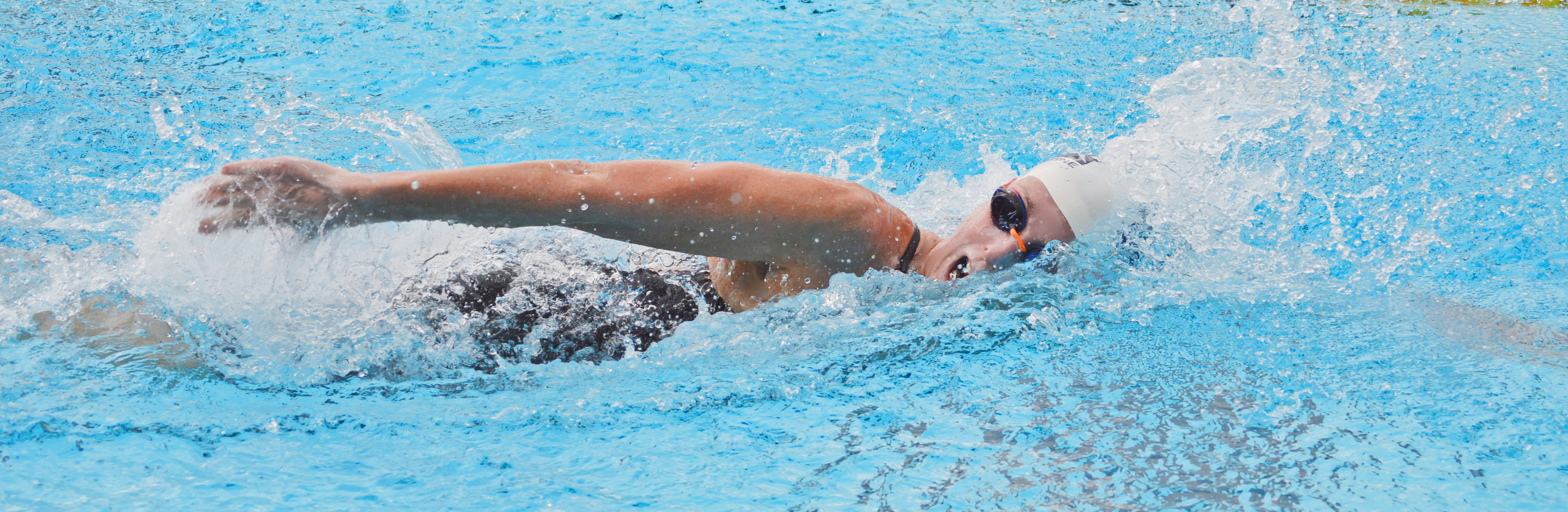
Host, Founder, Journalist, Author
Kelly Palace is proof that you can be a world-record-setting Masters swimmer, bestselling author, and breast cancer survivor—and still laugh at yourself along the way. A former NCAA Division I head coach and journalist for Pfizer's magazine, she now dives deep with Olympians, experts, and everyday champions on Champion’s Mojo to uncover what makes people great (and what keeps them sane): the secrets to living well and swimming well. She’s survived 9/11, topical steroid withdrawal, and divorce, but has found love for the last 22 years with her husband, Mark, who is 12 years her junior. Kelly believes in comebacks, kindness, and coffee before (and after) chlorine. Her hobby of stand-up comedy makes her feel alive—and heckled.
Overcoming Swim Meet Panic Attacks and Air Hunger in Competitive Racing