It's never too late: How 65-Year-Old Jeanette Brits Is Redefining the Limits of Performance
Just turning 65 years old myself, I’ve been thinking a lot about what it means to be a "super ager" in the water. We all face that creeping doubt as the years go by—wondering if our fastest days are behind us, or if it's too late to get back into the sport after a long break.
If you've ever felt underestimated because of your age, size, or time away from the pool, our latest Champion's Mojo podcast guest is going to absolutely blow your mind.
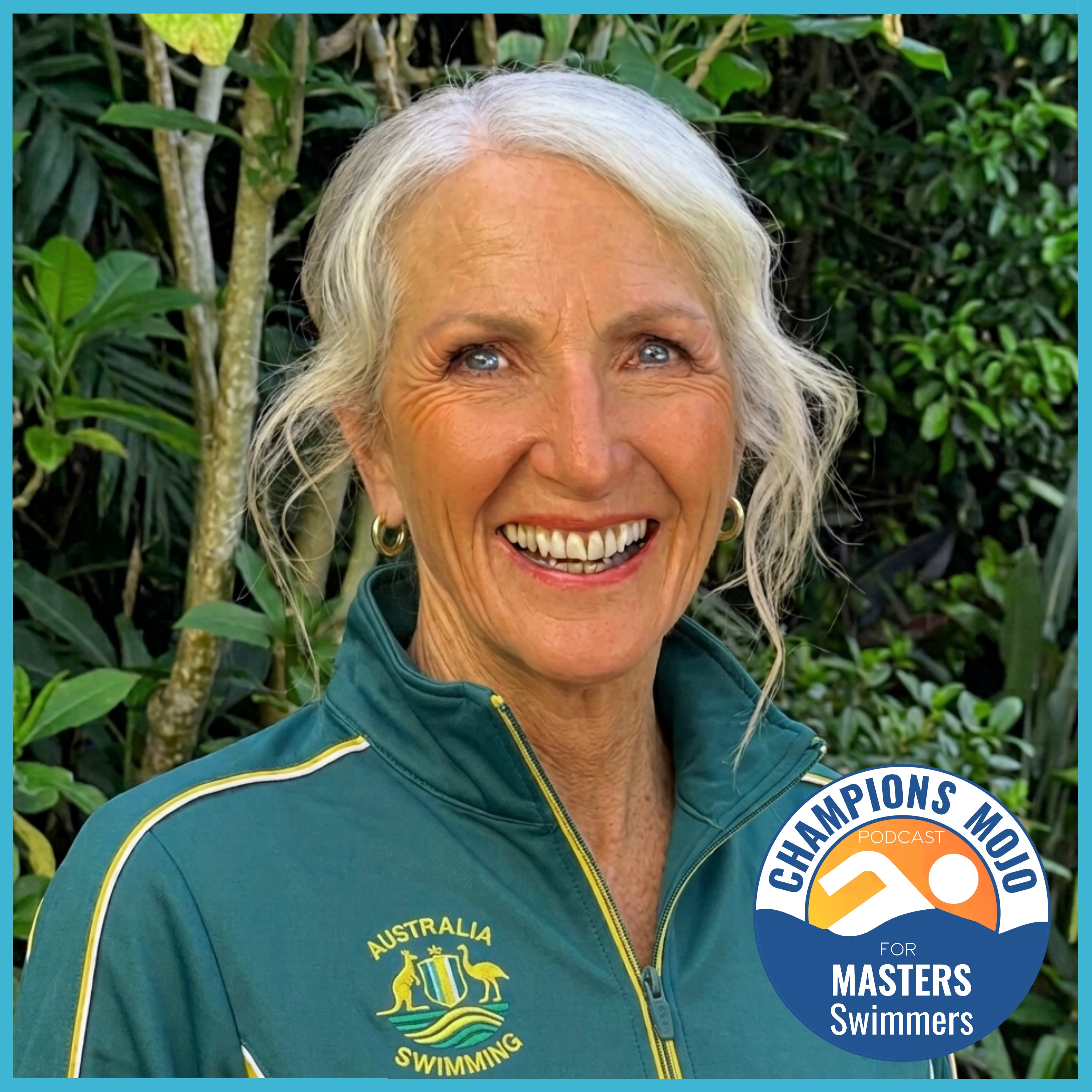
Recently, I had the privilege of sitting down with Jeanette Brits, a powerhouse from the Manly Masters Swimming Club in Sydney, Australia. Just three months after I broke the world record in the 800-meter freestyle for the 65-69 age group, Jeanette stepped onto the blocks at the Australian Masters Spring Nationals and did the unthinkable: she shattered that new record by almost 30 seconds, clocking a breathtaking sub-10-minute swim.
She also took down the 400-meter and 200-meter freestyle world records, proving that she is a true generational talent. But what is truly inspiring isn't just what she achieved, but how she did it.
The 30-Year Comeback
It’s easy to look at a sub-10-minute 800 freestyle and assume Jeanette has been grinding out laps continuously since her days as a teenage South African national swimmer. The truth? After immigrating to Australia in 1994 to raise her family and build a demanding career, Jeanette took three decades off from swimming.
It wasn't until a series of health challenges prompted a major life reset around age 60 that she found her way back to the water. Her story is the ultimate proof that an extended hiatus is not the end of your athletic journey—it might just be the resting phase before your greatest chapter.
Embracing the "Underdog" Status
At just 5'3", Jeanette doesn't have the typical towering swimmer's physique or massive wingspan. What she does have is a ferocious "dog-with-a-bone" mentality.
When competitors or onlookers judge the book by its cover, expecting the 65-year-old woman to slide to the back of the lane, Jeanette uses it as fuel. She trains primarily with a squad of men in their 40s and 50s, holding her own through brutal Sunday morning sets of descending 400s. She stands on the beach before open water ocean races, looks at the younger competitors, and quietly thinks to herself, “You should be beating me, but I’m going to give you a hard time to see if I can.”
The Reality of Elite Aging
One of the most refreshing parts of my conversation with Jeanette was her honesty about the physical realities of aging. We tackled the "elephant in the room" for female athletes in our age group: Hormone Replacement Therapy (HRT). Jeanette achieved her world-dominating endurance entirely without HRT, relying instead on clean, natural foods, a mindset focused on technical execution over chasing times, and relentless work in the pool—clocking about 26 to 27 kilometers a week. To put that massive training volume into perspective, that is exactly double my own weekly total!
She admits she hurts in races from the very beginning. She deals with tight hamstrings and shoulder weaknesses just like the rest of us. But her dedication to continuous learning—she’s even adding gym strength training to her routine now—keeps her moving forward.
Key Takeaways from Jeanette's Journey:
-
Focus on the execution, not the clock: Jeanette views every race as an opportunity to sharpen her technique and race strategy. The world-record times are just a byproduct of learning something new every day.
-
Mix it up: Balancing intense long-course pool sessions with the freedom and unpredictability of ocean swimming keeps her physically sharp and mentally refreshed.
-
Have a go: As Jeanette perfectly summed it up at the end of our chat: "If you don't have a go, you'll never know."
You do not want to miss this deep dive into endurance, mindset, and defying the odds.
Listen to the full episode with Jeanette Brits right now at
Host, Founder, Journalist, Author
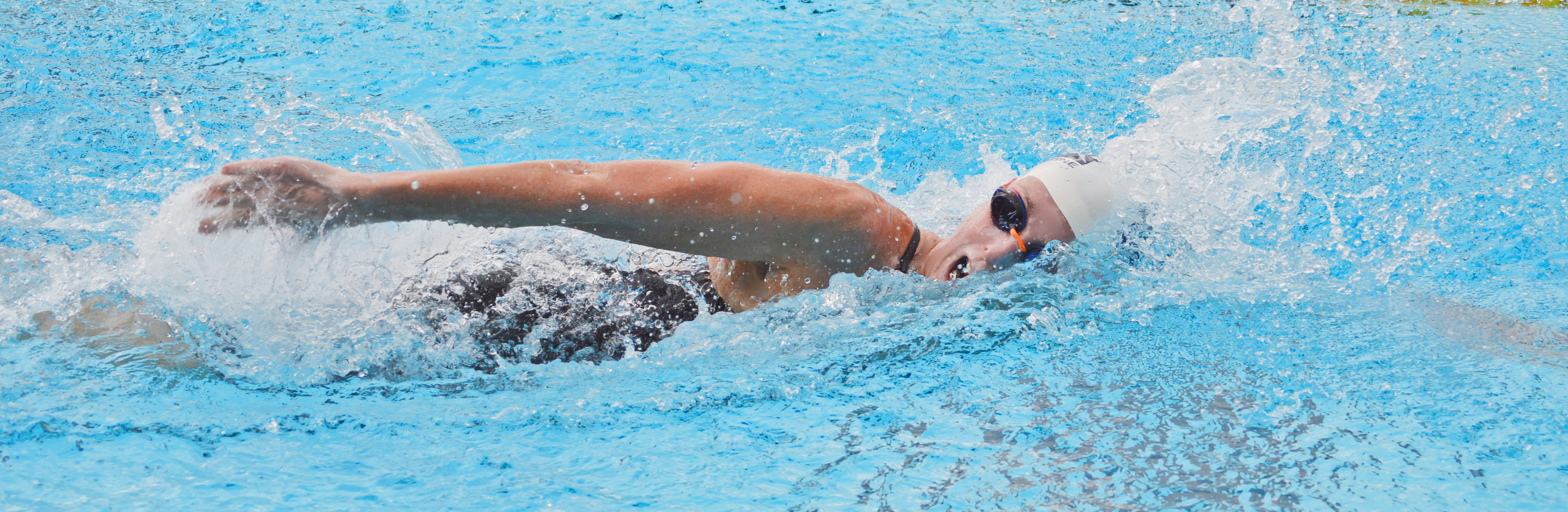
Kelly Palace is proof that you can be a world-record-setting Masters swimmer, bestselling author, and breast cancer survivor—and still laugh at yourself along the way. A former NCAA Division I head coach and journalist for Pfizer's magazine, she now dives deep with Olympians, experts, and everyday champions on Champion’s Mojo to uncover what makes people great (and what keeps them sane): the secrets to living well and swimming well. She’s survived 9/11, topical steroid withdrawal, and divorce, but has found love for the last 22 years with her husband, Mark, who is 12 years her junior. Kelly believes in comebacks, kindness, and coffee before (and after) chlorine. Her hobby of stand-up comedy makes her feel alive—and heckled.
How to Break the Masters Swimming Gray Zone and Find Your Lost Gears