Healing Beyond the Prescription Pad: What Dr. Zulia Frost Teaches Us About Energy, Recovery, and Resilience
Healing does not always begin with more effort. Sometimes it begins with better fuel.
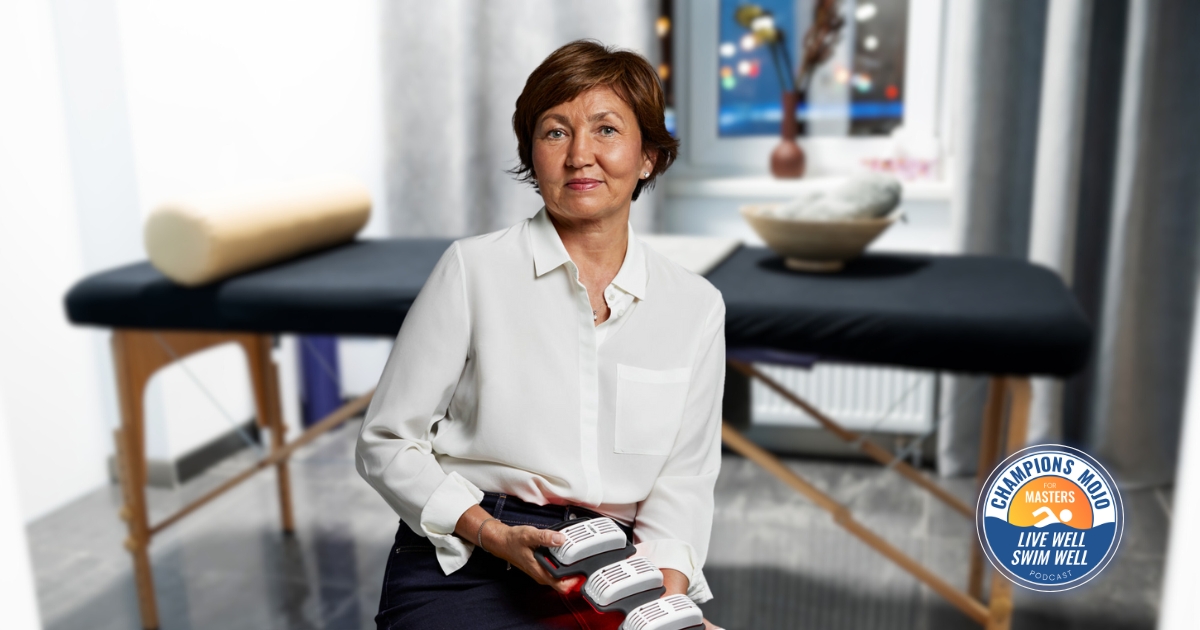
Dr. Zulia Frost is a medical doctor whose work in light-based healing was shaped not by theory, but by lived experience. After surviving a devastating car accident that left her with spinal fractures, partial paralysis, and relentless pain, she came face to face with a hard truth. The body cannot heal without energy. That realization became the foundation of her work and led her to explore photobiomodulation, neuromodulation, and non-invasive, energy-based therapies that support the body’s natural recovery processes.
Her perspective is not about rejecting medicine, it’s about expanding how we understand healing.
From Survival to Curiosity
Dr. Frost’s recovery was driven by two essential elements: movement and light. As she worked to regain function and manage pain, she noticed a consistent pattern. On days when she moved gently and spent time in natural sunlight, her pain eased more quickly and her resilience improved.
That observation sparked deeper exploration into how light, sound, and electrical stimulation interact with the body at a cellular level. What emerged was a simple but powerful insight. Healing requires energy, and that energy is produced inside our cells by the mitochondria.
When mitochondria are depleted, stressed, or damaged, healing slows. When they are supported, recovery accelerates.
Why Energy Comes First
One of the most important ideas Dr. Frost emphasizes is that healing is not only chemical, it’s energetic.
Mitochondria produce ATP, the energy currency that powers every repair process in the body. Without sufficient ATP, tissues regenerate more slowly, inflammation lingers, and pain becomes persistent. Supporting mitochondrial function becomes essential, especially as we age.
Red and near-infrared light deliver photons directly to receptors within the mitochondria. This process speeds ATP production, improves oxygen utilization, and increases blood flow through nitric oxide release. The result is more energy available for repair, stronger connective tissue, and faster recovery.
For Masters swimmers, this matters. We train hard. Recovery takes longer than it used to. Supporting energy production is just as important as logging yards.
Focus Points for Healing and Recovery
Several practical principles emerge when looking at recovery through an energy-first lens.
Start where the pain lives. When an injury is fresh, the body is already directing resources to that area. Supporting it with energy enhances the natural healing response.
Recognize that chronic pain changes movement patterns. Long-standing injuries affect posture, mechanics, and compensation. Recovery often requires supporting multiple areas, not just the spot that hurts.
Think beyond muscles. Light-based therapies also influence sleep, gut health, and nervous system balance. These systems are foundational to recovery and resilience.
Prioritize consistency over intensity. Small, regular routines create far more lasting change than occasional, aggressive interventions.
The Role of Sound and the Nervous System
Healing is not only cellular, it’s neurological.
Sound therapy and vibration influence recovery by activating nerve endings in the skin and sending calming signals to the brain. This prompts the release of endorphins, the body’s natural pain relievers, without the side effects of medication.
Certain sound frequencies, including 432 Hz music and resonant vibrations from singing bowls, have been shown to increase delta brain waves associated with deep relaxation and repair. When combined with light, movement, and sleep, these tools support healing on multiple levels.
For swimmers managing training stress, poor sleep, or lingering soreness, nervous system regulation is often the missing link.
A Simple Daily Reset
Dr. Frost’s philosophy is reflected in the way she structures her day.
Wake at a consistent time. Begin with a few quiet moments of intention. Stretch before standing fully upright. Move your body, even briefly. Support energy production daily instead of waiting for injury to force change. Prioritize sleep and reduce stress wherever possible.
Why This Matters for Masters Swimmers
Recovery is not passive, and it is not something we age out of. When we support our energy systems, regulate the nervous system, and give the body what it needs to heal, we create the conditions to keep training, racing, and living well for years to come.
Light, sound, movement, sleep, and consistency work together. When energy is available, the body knows exactly what to do.
If you enjoy Masters swimming stories that explore mindset, resilience, and personal growth, you will feel right at home here. Subscribe to the show, share it with a teammate, and if you have a moment, leaving a quick review helps more swimmers find us. You can also stay connected by joining our Mojo Messages, short encouraging notes sent straight to your inbox to help you live well and swim well. Let us know one small recovery habit you are ready to support this week. We’re cheering you on.
Email us at HELLO@ChampionsMojo.com. Opinions discussed are not medical advice. Please seek a medical professional for your own health concerns.
You can learn more about the Host and Founder of Champions Mojo at www.KellyPalace.com

Host
Kelly Palace is proof that you can be a world-record setting Masters swimmer, bestselling author, and breast cancer survivor—and still laugh at yourself along the way. A former NCAA Division I head coach and Pfizer journalist, she now dives deep with Olympians, experts, and everyday champions on Champion’s Mojo to uncover what makes people great (and what keeps them sane)—what makes one live well and swim well. She’s survived 9/11, topical steroid withdrawal, and three divorces, yet still believes in comebacks, kindness, and coffee before (and after) chlorine. Her hobby of stand-up comedy makes her feel alive and heckled.
What 70 World Records Taught Tim Shead About Effort, Patience, and Playing the Long Game